
Smoke and Fire Damage: What Arkansas Homeowners Policies Usually Cover
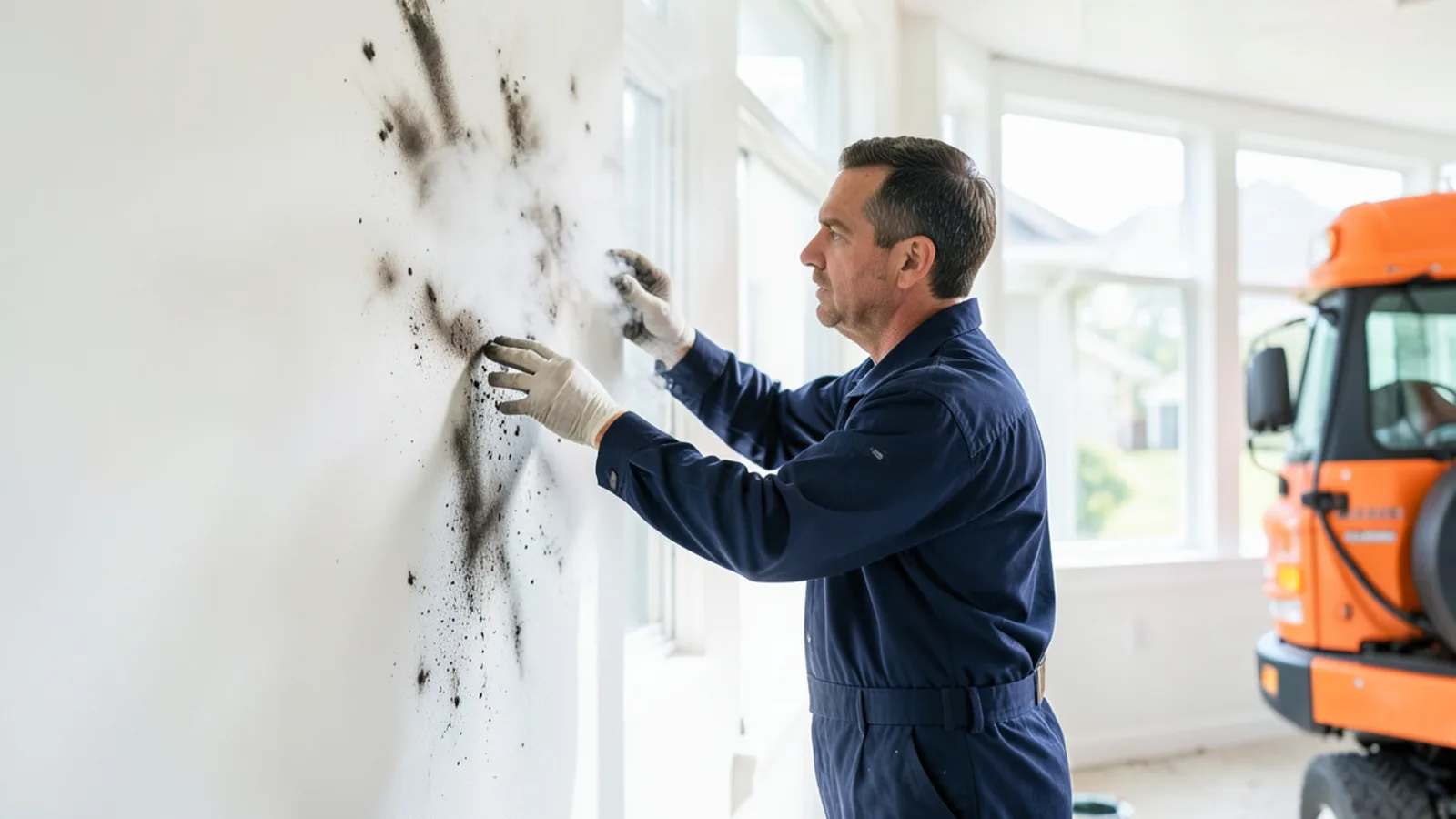
Standard Arkansas homeowners insurance policies provide comprehensive coverage for structural fire damage, acidic soot and smoke contamination, firefighting water extraction, and emergency board-up services, while reimbursing temporary living expenses under Loss of Use provisions.
The Three Components of a Fire Loss: Char, Soot, and Firefighting Water
A residential fire claim is rarely limited to burned structural lumber. In reality, property losses encompass three distinct destruction mechanisms: 1. Thermal Char: direct flame destruction of wall studs, roof rafters, and cabinets. 2. Acidic Smoke & Soot: chemical vapors from burned plastics, foam, and electronics settle across drywall, ceilings, and fixtures, causing permanent pitting and etching within 48 to 72 hours. 3. Firefighting Water: the thousands of gallons of high-pressure water deployed by the fire department to extinguish flames saturates drywall, subfloors, and crawlspaces, triggering an immediate risk of catastrophic mold growth within 48 hours.
Get Connected with a Local Contractor
Dispatch operates 24/7 across Little Rock, North Little Rock, Sherwood, Maumelle, Bryant, Benton, Conway, and Jacksonville.
How Standard Homeowners Policies (HO-3) Handle Fire Losses in Arkansas
Fire is a named peril across all standard homeowners insurance policies in Arkansas. Coverage is divided into four major policy sections: Coverage A (Dwelling) pays for structural repairs, framing, roofing, and rebuilding. Coverage B (Other Structures) covers detached garages and sheds. Coverage C (Personal Property) reimburses damaged furniture, electronics, clothing, and personal keepsakes on an Actual Cash Value (ACV) or Replacement Cost Value (RCV) basis. Coverage D (Loss of Use / Additional Living Expenses) pays for hotel rooms, temporary rental housing, and restaurant meals while your home is uninhabitable.
The Critical First 48 Hours: Emergency Board-Up and Water Mitigation
Insurance policies place an affirmative duty on the homeowner to protect the property from secondary weather damage and unauthorized entry. Call (702) 478-1007 to dispatch emergency restoration contractors who install structural plywood board-up over breached windows, seal roof holes with heavy-duty tarps, and immediately pump out standing firefighting water. Prompt water extraction prevents framing rot and limits structural demolition.
Documenting Personal Contents for Maximum Claim Accuracy
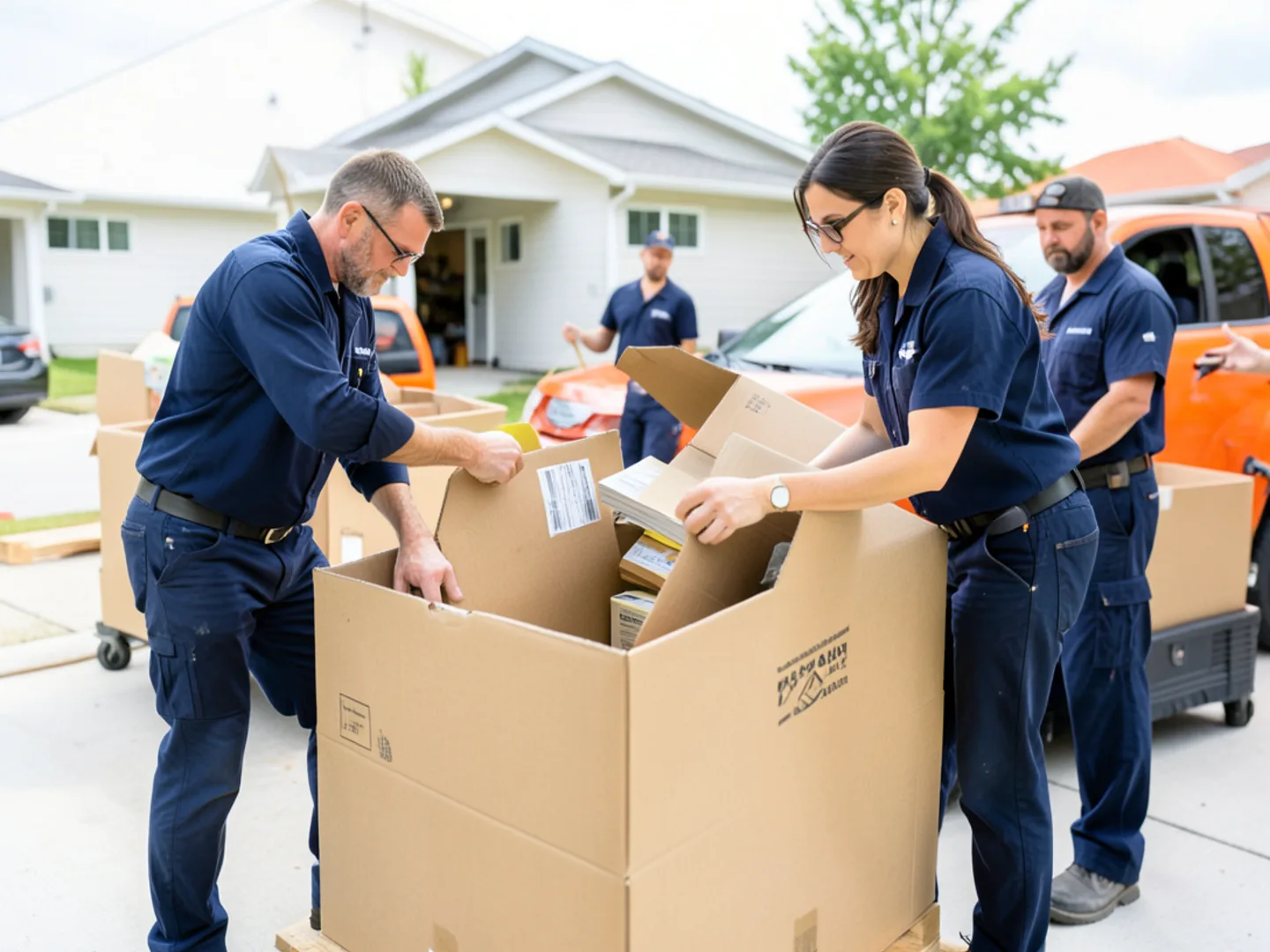
One of the most arduous tasks following a fire is compiling the personal property inventory. Do not discard charred or smoke-damaged items before your insurance adjuster has inspected them or given explicit permission. Take clear photographs of damaged items, note brands and serial numbers where visible, and list approximate purchase dates and replacement costs. Specialized contents restoration contractors can often salvage textiles, clothing, and electronics using ultrasonic cleaning and ozone deodorization chambers.
Thermal Fogging and Hydroxyl Generation: Science of Molecular Odor Removal
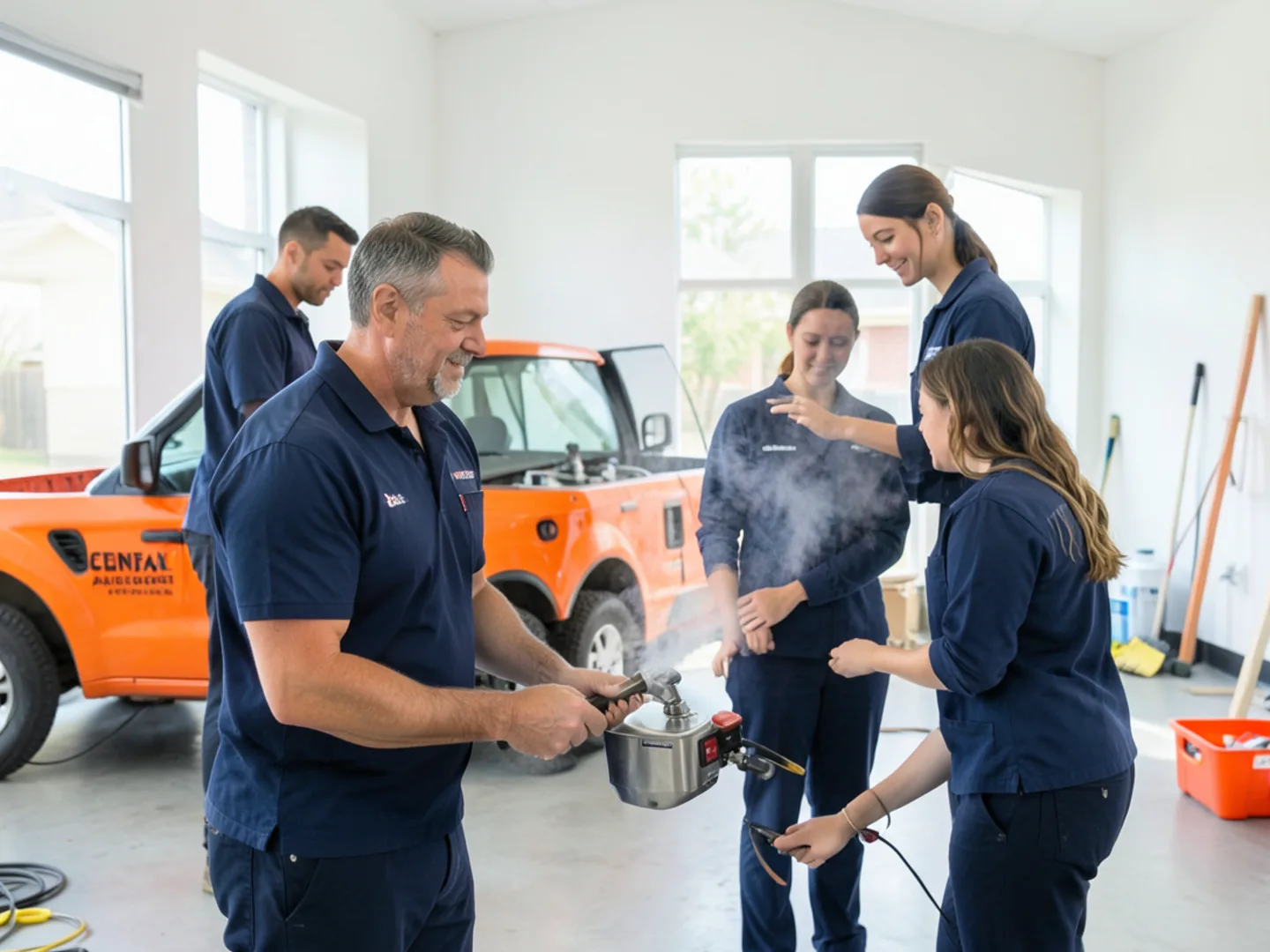
Lingering smoke odor is one of the most frustrating challenges after a residential fire. Smoke is composed of microscopic particles and volatile organic compounds (VOCs) that expand under intense heat and penetrate deep into structural studs, subfloor joists, concrete, and wall cavities. Once the structure cools, pores contract, trapping smoke odors inside. Standard air fresheners or ozone sprays only mask the odor temporarily. Professional restoration contractors employ two advanced scientific methods: commercial hydroxyl generators and thermal fogging. Hydroxyl generators use UV light to create free radicals that neutralize smoke molecules safely while occupants remain nearby. Thermal foggers heat specialized solvent-based deodorants into a fine microscopic fog that mimics the behavior of the original fire, penetrating the exact same porous cavities to chemically bond with and permanently neutralize odor molecules at the cellular level.
Preserving Architectural Elements in Historic Little Rock Homes
When fire or smoke affects historic homes in The Heights, Hillcrest, or the Quapaw Quarter, aggressive modern demolition techniques can destroy irreplaceable architectural heritage. Historic structures often feature antique heart pine flooring, hand-plastered walls, and carved hardwood millwork that cannot be replaced with modern materials. Specialized restoration contractors utilize gentle dry-ice blasting or baking soda micro-abrasion to remove char and soot from antique framing without chewing away historic wood profiles. Shellac-based odor barrier primers are applied to unexposed surfaces, encapsulating smoke molecules while allowing original historic plaster and decorative moldings to be carefully conserved and repainted.
Fire Damage Recovery Timeline & Insurance Claim Stages
| Claim Phase | Time Frame | Primary Activities | Insurance Interaction |
|---|---|---|---|
| Phase 1: Emergency Stabilization | Hours 0–24 | Board-up windows, tarp roof, pump firefighting water | Direct billing for emergency mitigation |
| Phase 2: Decontamination & Soot Cleaning | Days 2–7 | Chemical sponge soot removal, duct clearing, hydroxyl odor treatment | Adjuster inspects structural and contents damage |
| Phase 3: Contents Inventory | Days 5–14 | Itemized list of personal property, off-site cleaning | Submit Proof of Loss statement for personal items |
| Phase 4: Structural Reconstruction | Weeks 2–12+ | Framing repair, drywall rebuilding, painting, finish trim | Contractor works from agreed-upon Xactimate scope |
Professional Contractor Perspective
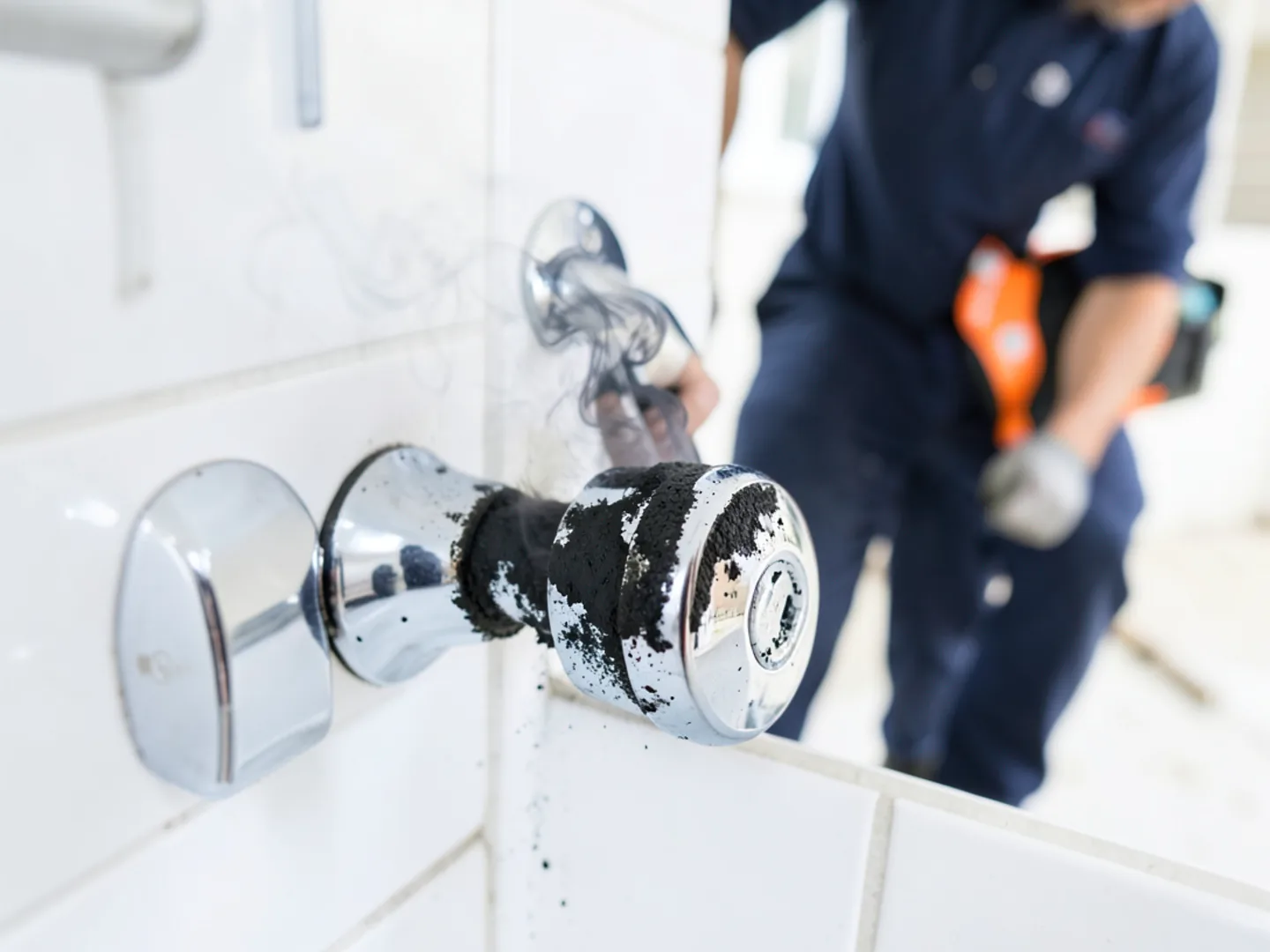
Synthetic smoke residue produced by burning modern plastics, carpets, and electronics is highly acidic. Within 72 hours of a fire, this acidic residue permanently corrodes bathroom plumbing fixtures, etches ceramic tile, and tarnishes kitchen appliances. Immediate dry chemical sponge cleaning and surface stabilization are essential to prevent salvageable items from becoming total losses on the adjuster’s balance sheet.
In accordance with our editorial standards, our informational guides and process breakdowns are grounded in verifiable documentation from state licensing boards, municipal utility codes, and official meteorological data:
- 1.Arkansas Insurance Department — Residential Property Fire Claims Guide.
- 2.National Fire Protection Association (NFPA) — Residential fire statistics and recovery guidelines.
- 3.IICRC Fire and Smoke Restoration Guidelines. — IICRC Fire and Smoke Restoration Guidelines.