Burst & Frozen Pipe Water Damage in Little Rock
Emergency response for clean-water plumbing failures, attic water heater tank ruptures, freeze-induced pipe breaks, cavity wall drying, and insurance loss documentation.
How Burst & Frozen Pipe Water Damage Works in Central Arkansas
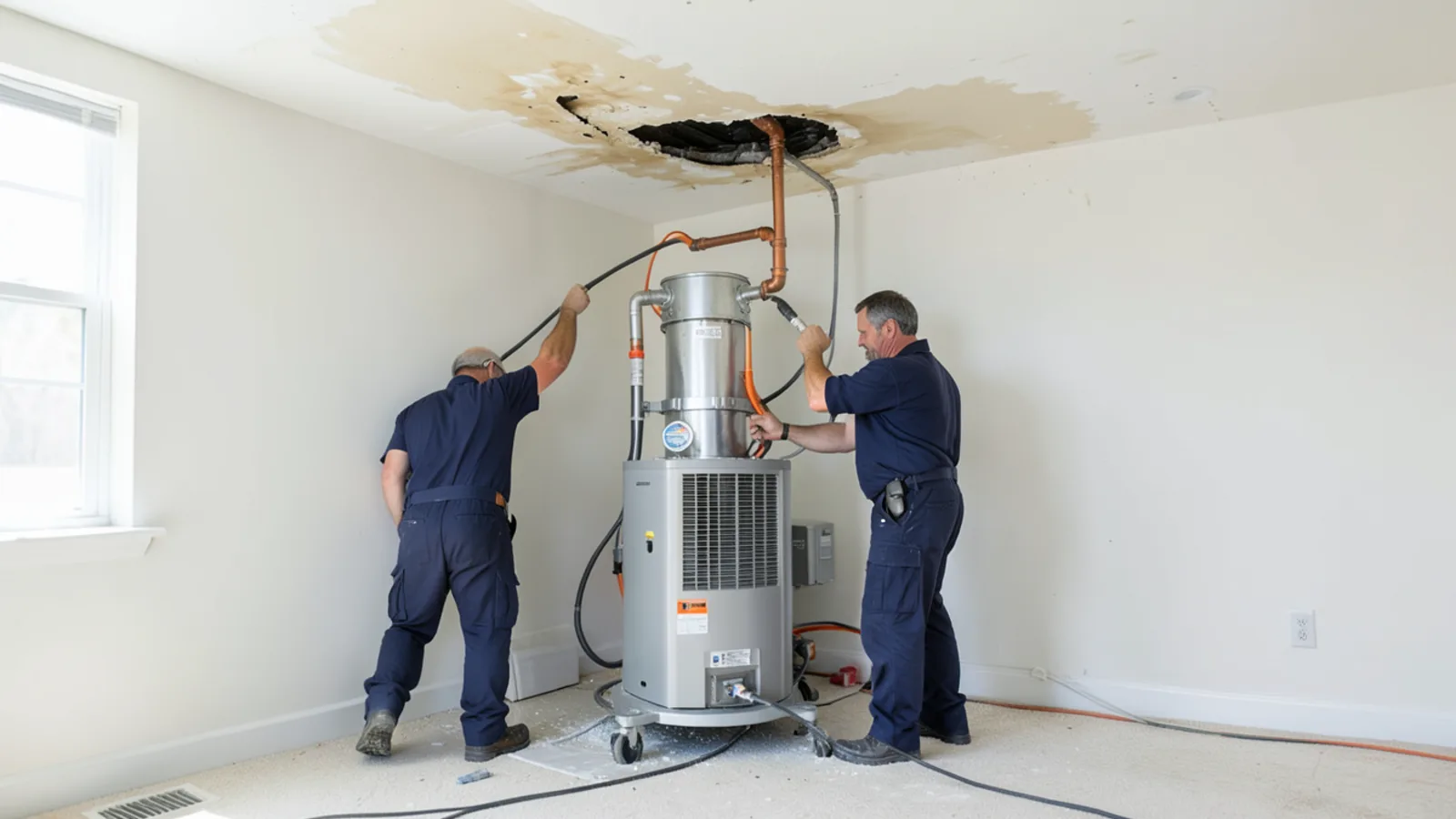
When plumbing lines freeze during severe winter cold snaps or domestic supply pipes rupture under municipal water pressure, hundreds of gallons of clean water can flood residential living areas in minutes. Water quickly cascades through ceilings, saturates wall cavity insulation, and pools across subfloors and crawlspaces. We connect Little Rock and Central Arkansas property owners with independent local restoration contractors who provide emergency water shutoff verification, rapid extraction, ceiling drainage, and structural drying.
What This Service Includes
Every job begins with non-invasive moisture mapping and follows standardized ANSI/IICRC protocols to ensure safe, verifiable structural recovery:
Emergency Water Shutoff & Source Isolation
Verifying main line shutoff at the curb meter or interior valve to halt active water flooding.
Ceiling Water Relief & Controlled Drainage
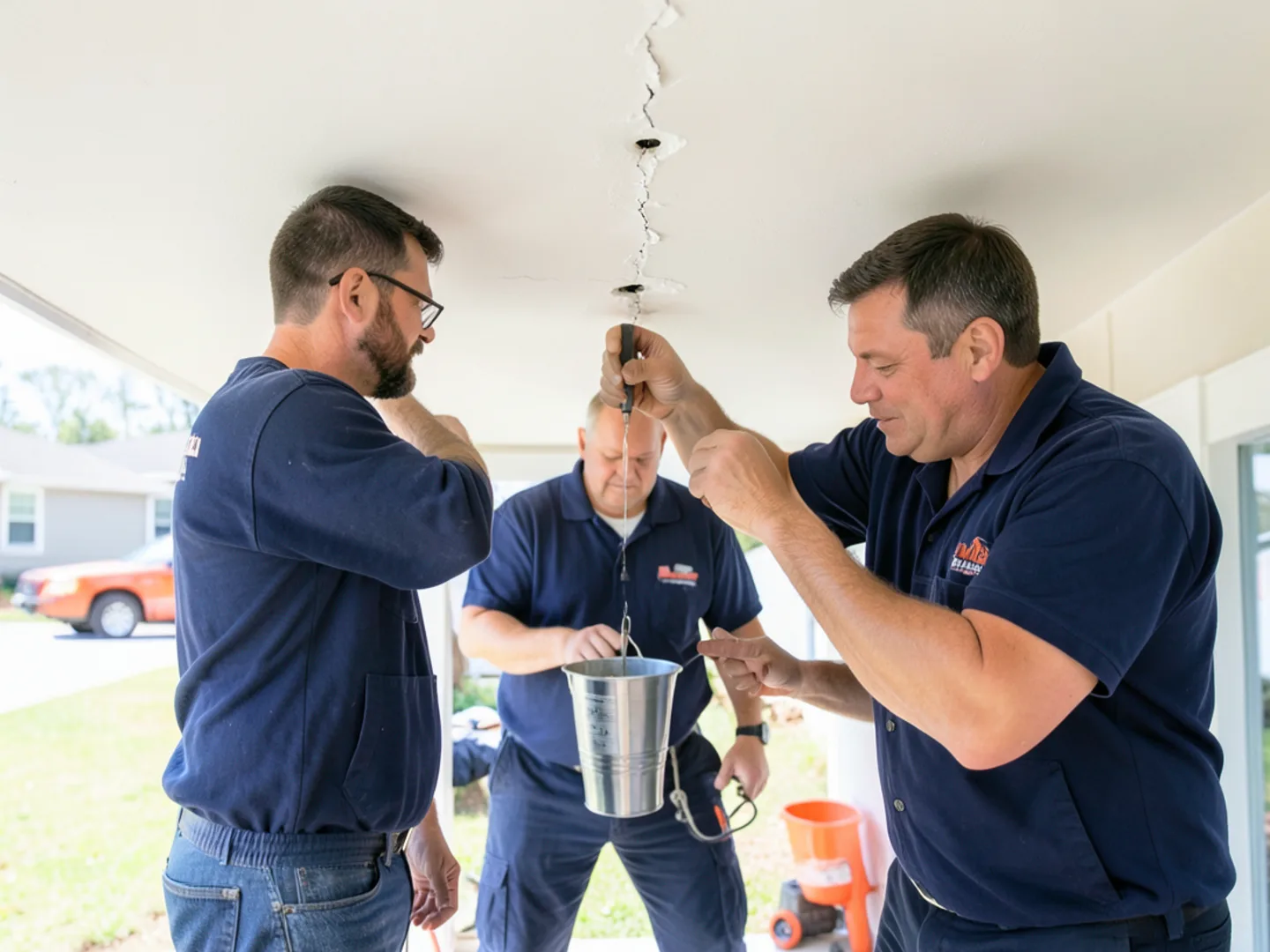
Carefully draining trapped water from sagging drywall ceiling bays into containers to prevent sudden ceiling collapse.
High-Volume Water Extraction
Extracting standing water from carpets, hardwood, tile, and concrete slab foundations before deep structural absorption occurs.
Positive-Pressure Wall Cavity Drying
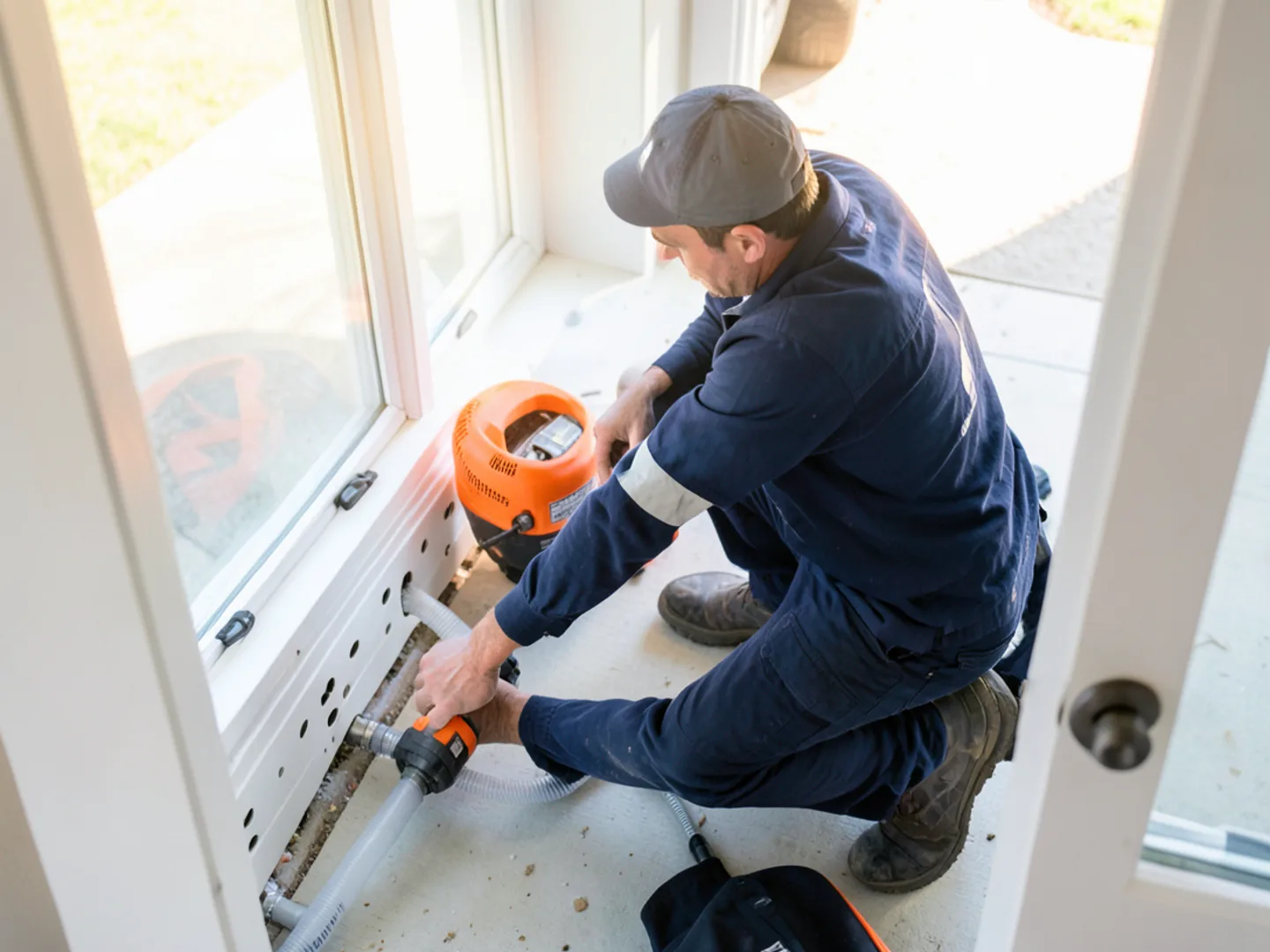
Injecting dry air into insulated wall cavities through discrete baseboard openings to dry framing studs without heavy demolition.
LGR Dehumidification & Psychrometric Monitoring
Deploying commercial dehumidifiers to stabilize ambient relative humidity and extract moisture from soaked structural materials.
Facing Active Damage Right Now?
Call our dispatch desk immediately at (702) 478-1007. We will connect you directly with an independent local contractor ready for rapid response.
Plumbing Rupture & Freeze Failure Matrix
Comparing common pressurized pipe failure mechanisms across Central Arkansas properties:
| Failure Mechanism | Primary Symptoms & Vulnerabilities | Immediate Safe Containment | Professional Mitigation Protocol |
|---|---|---|---|
| Sub-Freezing Polar Vortex Rupture | Pipes located in exterior uninsulated walls or unconditioned crawlspaces burst during sub-20°F cold snaps; sudden water flood upon thawing. | Immediately shut off curb water meter; open faucets to relieve trapped ice pressure; turn off electrical breakers. | High-volume water extraction, directional cavity drying via baseboard injection, and psychrometric LGR dehumidification. |
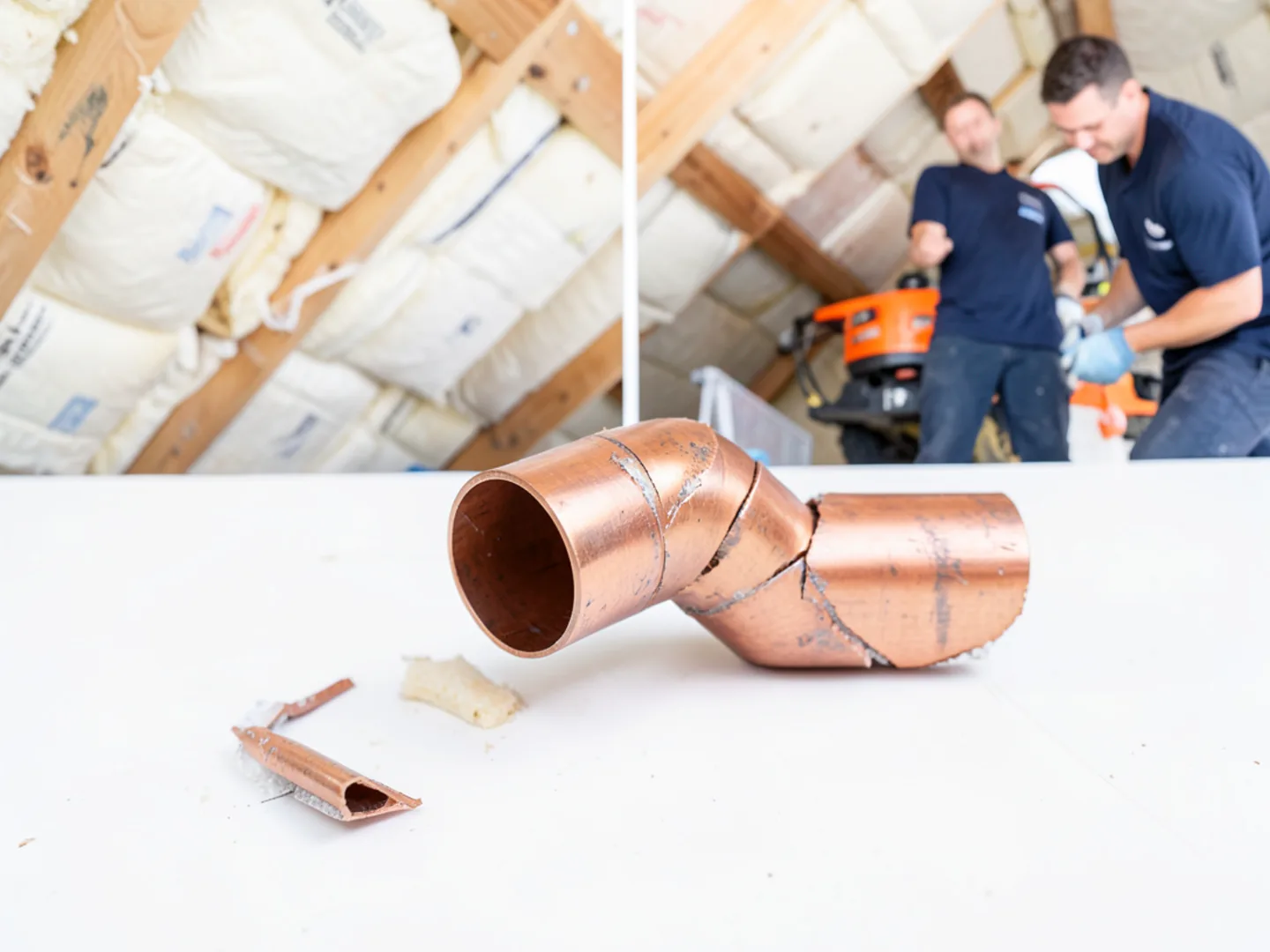
| Attic Water Heater Tank Rupture | Catastrophic failure of 40-50 gallon storage tanks in unconditioned attics; cascading water collapsing sheetrock ceilings across multiple levels. | Evacuate area beneath sagging ceilings; puncture tiny drainage holes to relieve ceiling water weight into buckets. | Controlled ceiling drywall removal, moisture mapping across all lower levels, and multi-stage commercial air mover deployment. |
| High Municipal Water Pressure Surge | Failed pressure-reducing valve (PRV) causing lines to exceed 80 PSI; pinhole ruptures or fitting detachment on copper and CPVC lines. | Shut main shutoff valve; avoid touching energized switches near pooled water; photograph gauge pressure if visible. | Thermal imaging leak detection, thermal moisture mapping behind cabinetry, and positive-pressure framing dehumidification. |
| Corroded Slab Foundation Copper Pinhole | Hot spots on concrete floors, sound of running water behind walls without active fixtures, unexplained municipal water bill spikes. | Shut main domestic supply valve; check water meter leak indicator dial to confirm subterranean line break. | Ultrasonic pipe locating, targeted subfloor extraction, specialized desiccant slab drying, and plumber referral. |
| Washing Machine or Ice Maker Supply Line Failure | Pressurized flexible rubber or braided steel hose separation behind appliances; rapid flooding across kitchens and laundry rooms. | Close local shutoff valve behind appliance or main house shutoff; mop standing surface water if safe. | Subfloor extraction under kitchen cabinetry, toe-kick cavity drying without cabinet removal, and moisture verification. |
Step-by-Step On-Site Restoration Workflow
Understanding each step of the mitigation process helps property owners navigate insurance claims and track progress from initial contact to the final dry standard.
Immediate Phone Dispatch
Call (702) 478-1007. Dispatch guides you through emergency shutoff steps and immediately alerts an independent local restoration pro.
Ceiling & Electrical Hazard Inspection
Contractors evaluate water accumulation in upper ceilings, relieve hydrostatic pressure safely, and inspect electrical fixtures.
Rapid Extraction
Truck-mounted extraction units remove standing water from all affected levels, including basements and crawlspaces.
Wall Cavity & Subfloor Staging
Air movers and dehumidifiers are positioned to force high-velocity dry air across floor surfaces and into wet wall bays.
Dry Verification & Claim File Package
Technicians record daily moisture readings until dry standard baseline is achieved, compiling photos and logs for insurance submission.
Central Arkansas Soil & Architectural Realities
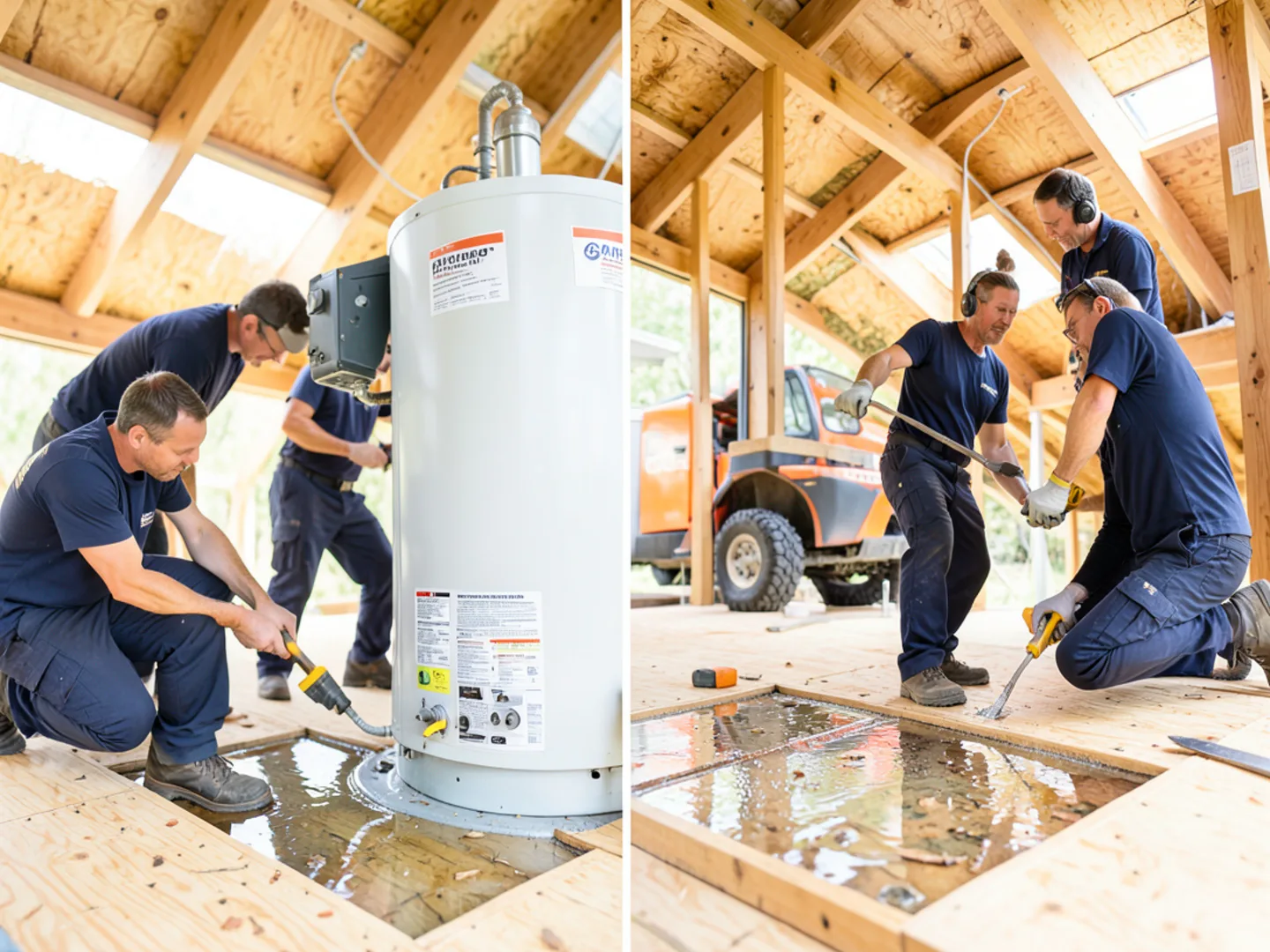
While Central Arkansas has a generally mild southern climate, hard freeze events occur periodically with devastating effects. During the historic February 2021 winter storm, temperatures dropped into single digits for days, causing thousands of pipes to freeze and burst across Pulaski, Saline, and Faulkner counties. Because many homes feature plumbing running through uninsulated exterior walls or unconditioned crawlspaces, freeze vulnerability is high. Additionally, modern slab subdivisions in West Little Rock, Maumelle, and Bryant frequently have 40-to-50-gallon water heaters installed in unconditioned attics, which can burst and flood multiple levels beneath.
Factors That Influence Your Restoration Estimate
Costs depend on how long the pipe discharged, whether the rupture was in an attic, crawlspace, or interior wall, the number of levels flooded, and the drying equipment duration.
| Restoration Scope Component | Attributed Industry Range | Technical Note |
|---|---|---|
| Single-Room Burst Pipe Mitigation | $1,000 – $2,500 | Local extraction, baseboard removal, and structural drying in contained area. |
| Attic Water Heater / Multi-Story Leak | $3,500 – $9,000 | Multiple ceiling openings, multi-level water extraction, and multi-room dehumidifier staging. |
| Major Whole-Home Freeze Flood | $8,000 – $18,000+ | Extensive multi-room floor extraction, ceiling replacement, and widespread structural drying. |
Emergency water mitigation should begin immediately. For the plumbing pipe repair itself, property owners should hire an Arkansas-licensed master plumber. For follow-up structural repairs, ceiling replacement, and remodeling exceeding $2,000, verify the contractor’s license with the Arkansas Contractors Licensing Board (ACLB).
Where This Service Is Dispatched in Central Arkansas
Our 24/7 telephone desk connects property owners with independent restoration contractors operating throughout Pulaski, Saline, and Faulkner counties:
Related Restoration Services
Educational Guides & Articles
Burst & Frozen Pipe Water Damage Frequently Asked Questions
Direct, honest answers regarding burst & frozen pipe water damage timelines, insurance coverage, and procedures in Central Arkansas.
Immediately shut off your home’s main water valve. In Little Rock, this is typically located in a rectangular meter box near the street curb or inside your garage near the water heater. Then turn off electrical breakers for flooded areas and call (702) 478-1007.
Connect with a Burst & Frozen Pipe Water Damage Specialist Today
Call 24/7 for rapid dispatch across Little Rock, North Little Rock, Sherwood, Maumelle, Bryant, Benton, Conway, and Jacksonville.