
Pipes Burst in a Little Rock Freeze? What to Do in the First Hour
When a pipe bursts during a Central Arkansas hard freeze, immediately shut off your home’s main water valve at the street meter box or garage inlet, switch off electrical circuit breakers powering wet areas from a dry location, take timestamped photos of the water spread before touching anything, and call for emergency water extraction.
Minute 0–10: Shutting Off the Main Water Supply in Little Rock
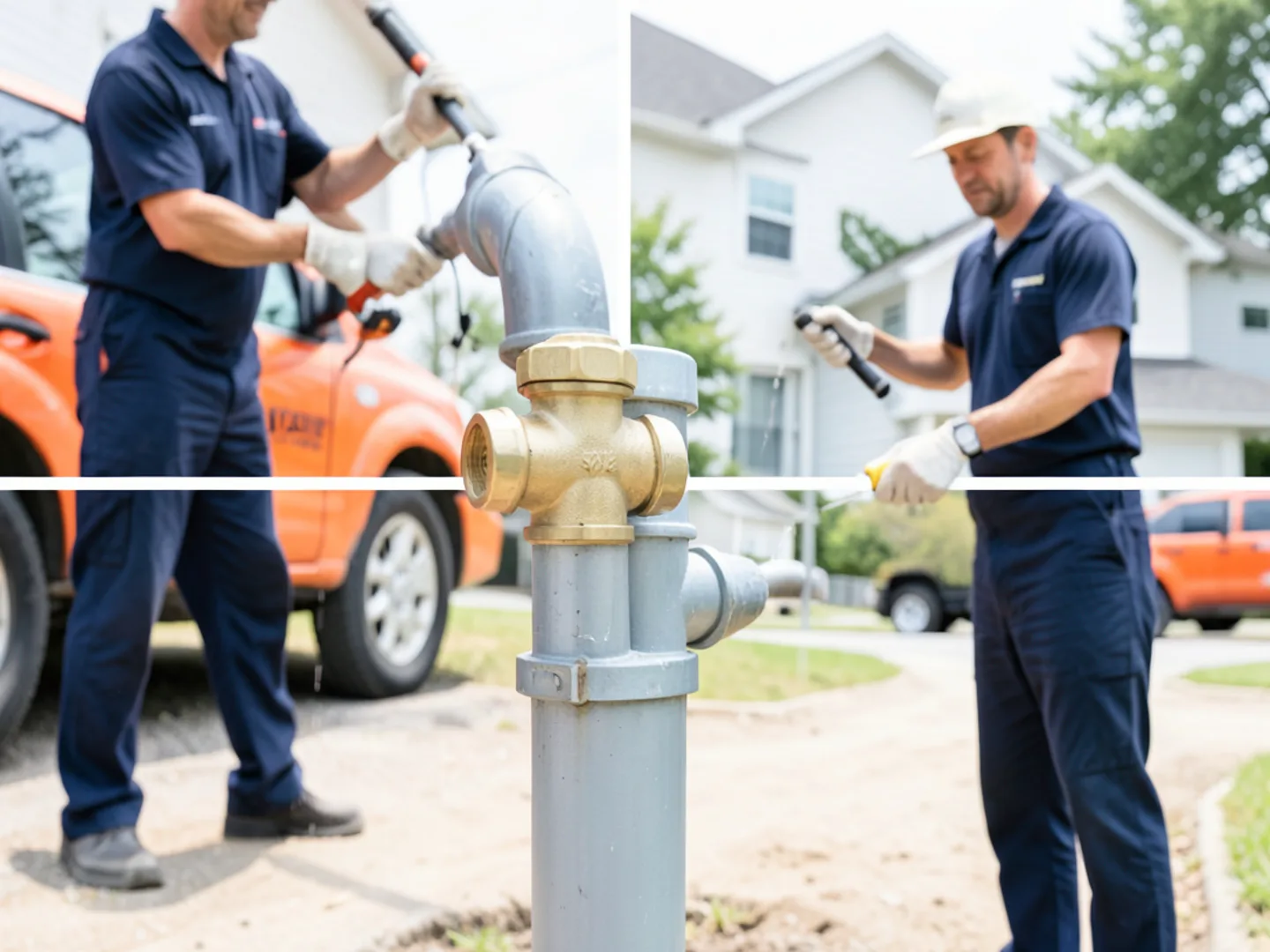
When a residential pipe ruptures under typical Central Arkansas municipal water pressure (50 to 75 PSI), it discharges 4 to 12 gallons of water every minute. Within ten minutes, over 100 gallons can saturate your ceilings, subflooring, and carpet. The very first action must be locating and closing the main water shutoff valve. In Little Rock and North Little Rock, the primary shutoff is typically located near the front property line in a cast-iron or concrete meter box at the street curb. You will need a commercial "curb key" or an adjustable wrench with a screwdriver for leverage to turn the brass valve 90 degrees clockwise so the valve eye aligns perpendicular to the pipe. Newer homes in West Little Rock, Maumelle, and Bryant often feature an interior emergency ball valve located in the garage near the water heater or in an entryway utility closet.
Get Connected with a Local Contractor
Dispatch operates 24/7 across Little Rock, North Little Rock, Sherwood, Maumelle, Bryant, Benton, Conway, and Jacksonville.
Minute 10–20: Electrical Safety and Preventing Ceiling Collapses
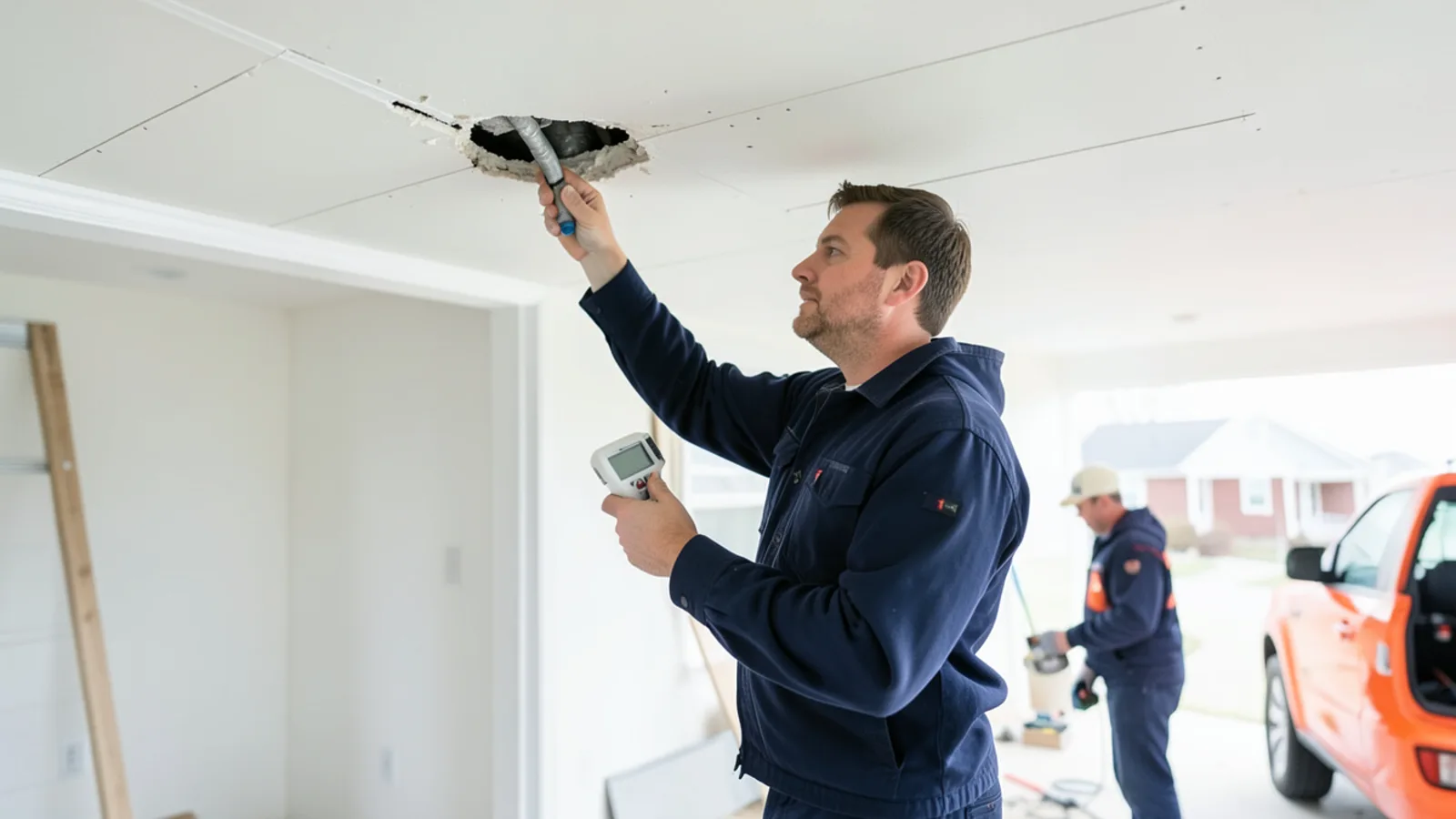
Water and electricity create an immediate life-safety hazard. If water is leaking through ceiling fixtures or running down drywall near outlets, do not touch electrical switches. Navigate to your main circuit breaker panel—provided the floor around the breaker box is completely dry—and switch off power to the affected rooms. If ceiling drywall is bowing downward with a water blister, placing a large bucket beneath the sag and carefully puncturing a small weep hole with a screwdriver in the center of the blister will relieve hydraulic pressure. This controlled drainage prevents hundreds of pounds of trapped water from suddenly collapsing the entire ceiling sheetrock.
Minute 20–30: Capturing Insurance-Ready Photo Evidence
Before moving saturated furniture, wiping floors, or bringing in portable shop vacs, pull out your smartphone and document the full scope of the disaster. Insurance adjusters require clear visual proof of the initial water line and the origin point. Take wide-angle establishing shots of every affected room, then close-up photographs of the ruptured pipe, water pooling around baseboards, warped flooring, and any damaged furniture, electronics, or personal keepsakes.
Minute 30–60: Calling for Professional Extraction & Structural Drying
Once the source is shut off and hazards are controlled, call (702) 478-1007 to dispatch an independent local restoration professional. While surface mopping removes visible puddles, it does not extract water that has migrated into subfloor framing, wall insulation, and crawlspaces. Professional contractors arrive with truck-mounted suction equipment and stage commercial low-grain refrigerant (LGR) dehumidifiers and high-velocity air movers to establish the airflow required to dry framing within EPA’s 24-to-48-hour mold prevention window.
Safe Pipe Thawing Techniques and Preventing Secondary Splits
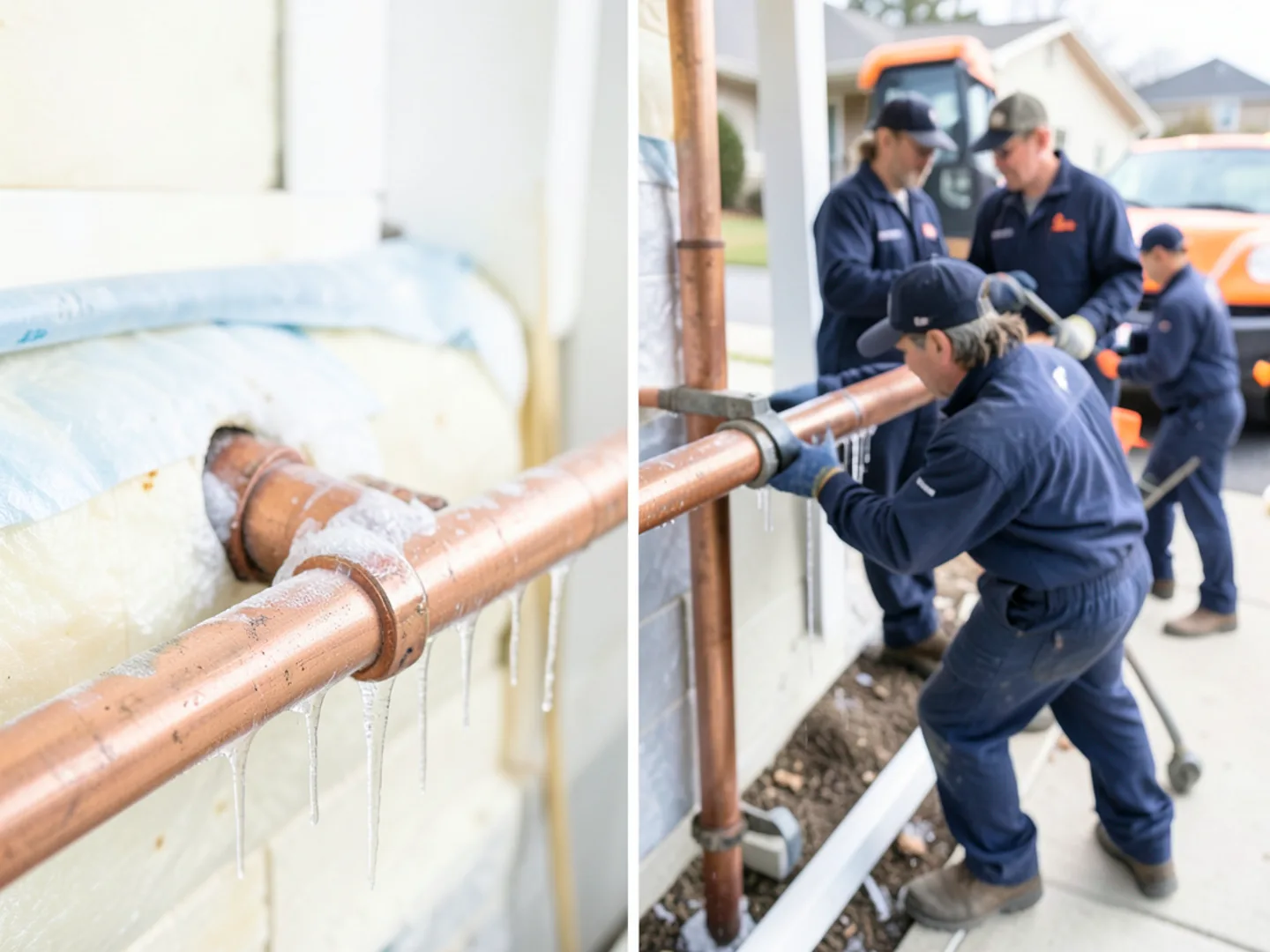
If you discover frozen plumbing before a pipe ruptures, careful thawing can prevent a catastrophic burst. Keep faucets open so that expanding water has a release path as ice melts. Apply gentle heat using an electric hair dryer, heat tape, or warm towels wrapped around the exposed pipe, starting from the faucet end and working toward the blockage. Never use an open flame, propane torch, or heat gun; extreme concentrated heat can boil trapped water, causing an explosive pipe rupture, or ignite dry crawlspace framing lumber. If frozen pipes are hidden behind finished drywall or inside inaccessible exterior wall cavities, raise indoor thermostat settings, open vanity cabinet doors to allow heated room air to circulate, and monitor water meter dials for signs of concealed leakage.
First-Hour Emergency Response Checklist for Little Rock Freeze Bursts
| Time Window | Priority Action | Safety Precaution | Tools Needed |
|---|---|---|---|
| Minute 0–10 | Shut off main water valve | Watch for icy walkways near meter box | Meter key or adjustable wrench |
| Minute 10–20 | Cut power to flooded circuits & drain ceiling blisters | Never touch breaker panel if standing in water | Dry shoes, screwdriver, large bucket |
| Minute 20–30 | Photograph damage and waterlines | Do not discard damaged materials yet | Smartphone camera with flash |
| Minute 30–60 | Call (702) 478-1007 for extraction dispatch | Keep children and pets away from wet areas | Phone, insurance policy number |
Professional Contractor Perspective
Arkansas homes are historically engineered for hot, humid summers rather than prolonged sub-freezing temperatures. Many Craftsman bungalows in The Heights and Hillcrest feature uninsulated copper piping running through drafty pier-and-beam crawlspaces. When temperatures drop below 20°F (as seen during the February 2021 winter storm), crawlspace wind chill rapidly freezes these exposed lines. Because ice expands by roughly 9%, hydraulic pressure builds between the ice blockage and closed faucets until the pipe wall splits.
In accordance with our editorial standards, our informational guides and process breakdowns are grounded in verifiable documentation from state licensing boards, municipal utility codes, and official meteorological data:
- 1.Arkansas Department of Health — Plumbing Code and freeze-protection guidelines.
- 2.Insurance Information Institute — Winter freeze property claims data.
- 3.City of Little Rock Office of Emergency Management — Cold weather preparedness recommendations.