
Water Damage Restoration Cost in Little Rock: What Drives the Price
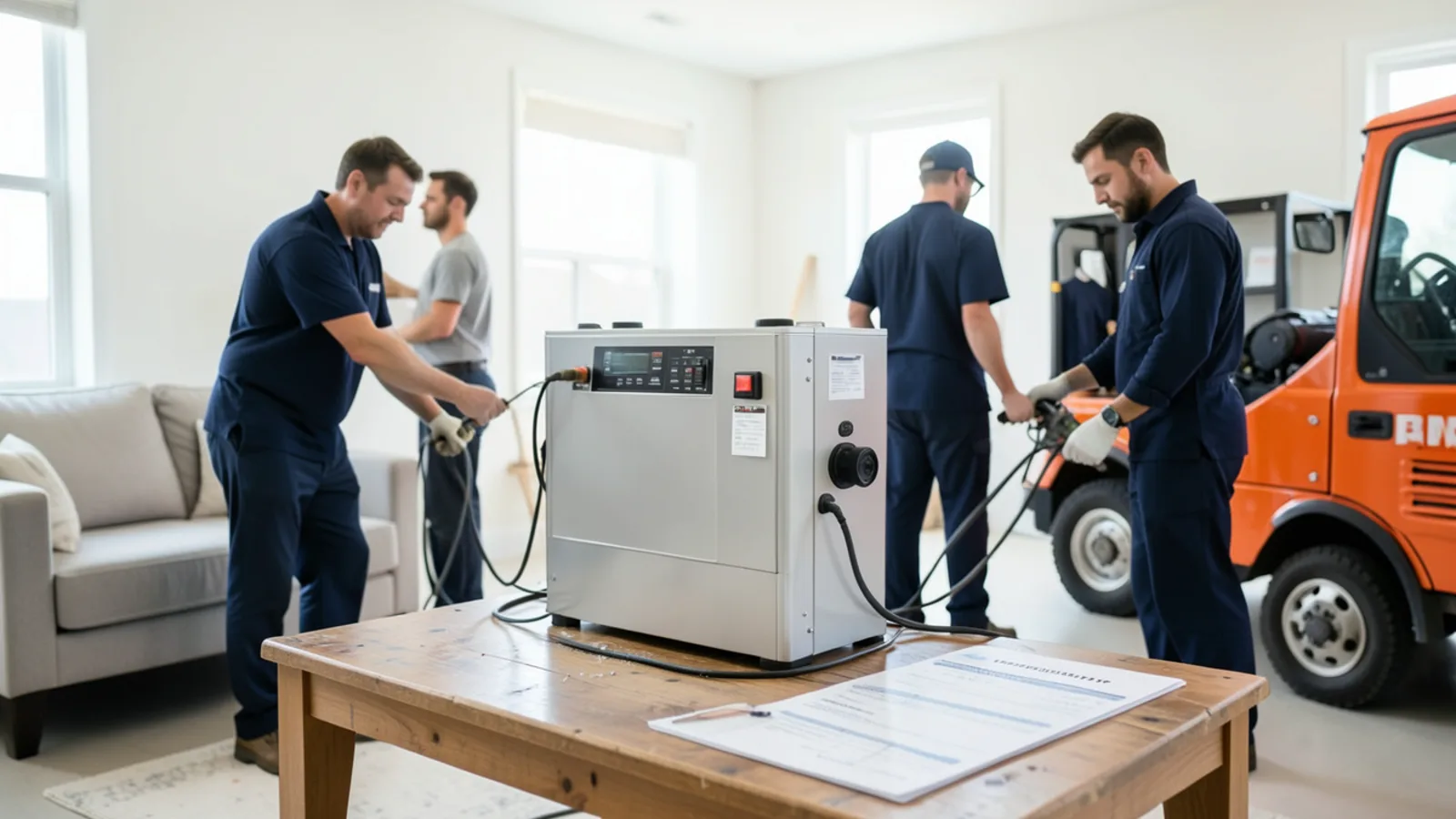
Water damage restoration costs in Little Rock generally range from $1,500 to $3,500 for minor clean-water events, $4,000 to $9,000 for moderate multi-room damage, and $20,000 to $50,000+ for major structural flooding, driven by water contamination category, square footage, structural drying duration, and accessibility of crawlspaces or wall cavities.
Published Regional Budgeting Benchmarks for Little Rock
When an active leak floods your home, accurate budgeting provides clarity during an emergency. Researched regional planning data for Central Arkansas outlines the following standard benchmarks: water extraction alone averages $450 to $1,800; structural drying with commercial dehumidifiers and air movers ranges from $1,200 to $4,500; burst or frozen pipe cleanup runs from $1,000 to $4,000; and Category 3 sewage decontamination ranges from $3,000 to $12,000. These figures represent planning guidelines rather than fixed quotes, as every structure presents unique physical variables.
Get Connected with a Local Contractor
Dispatch operates 24/7 across Little Rock, North Little Rock, Sherwood, Maumelle, Bryant, Benton, Conway, and Jacksonville.
The Three Water Categories and Their Direct Impact on Cost
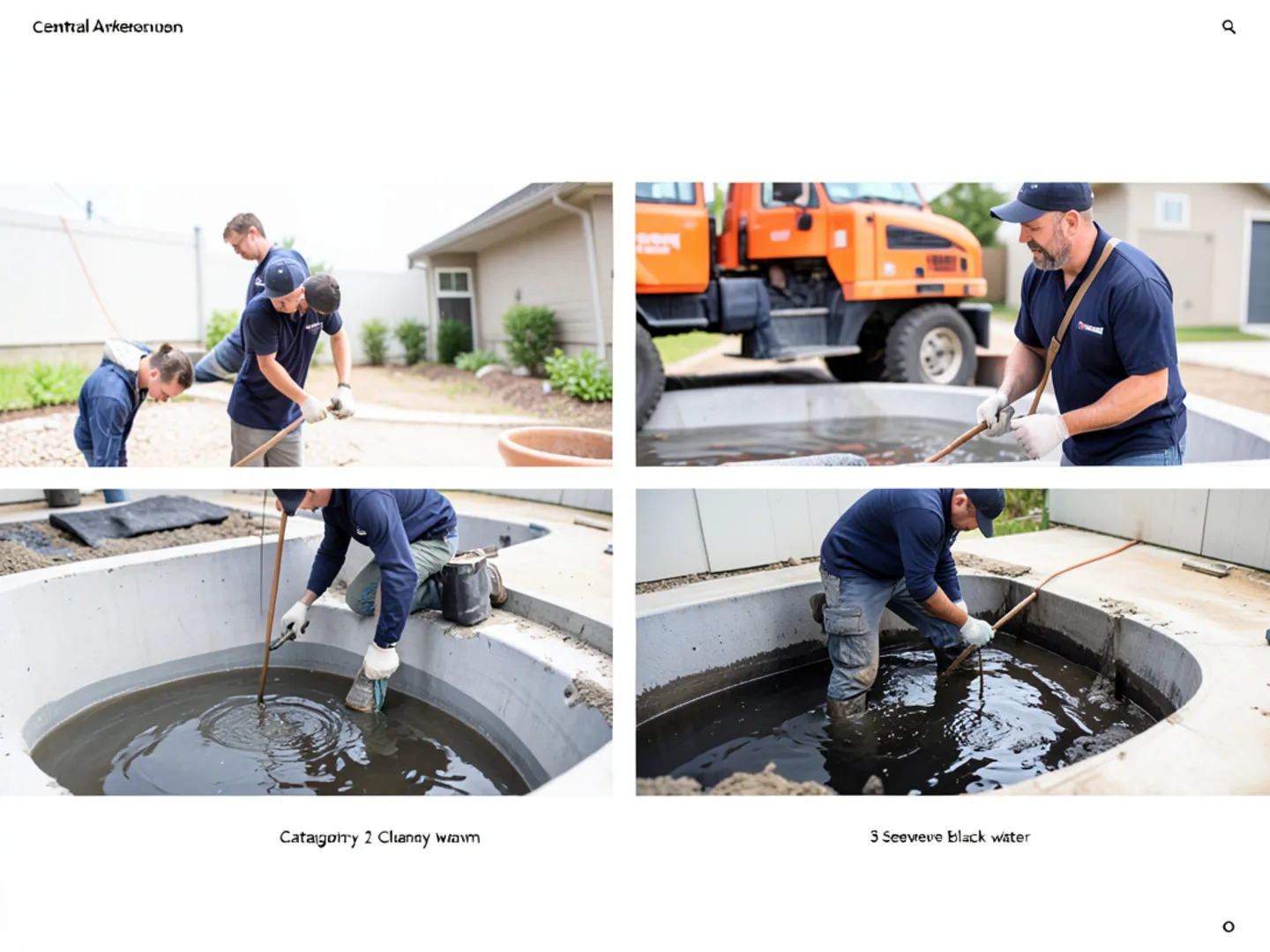
Under ANSI/IICRC S500 standards, water is classified into three categories, which fundamentally dictate labor and equipment requirements: Category 1 (Clean Water from supply lines or faucets) has the lowest cost because most porous materials can be dried in place. Category 2 (Gray Water from washing machine overflows or dishwashers) contains chemical or biological residues, requiring carpet pad removal and antimicrobial treatment. Category 3 (Black Water from sewage backups or outdoor river floods) is highly hazardous, requiring complete personal protective equipment (PPE), biohazard disposal fees, and aggressive demolition of all porous drywall and flooring.
Core Pricing Variables: Square Footage, Demolition, and Equipment Days
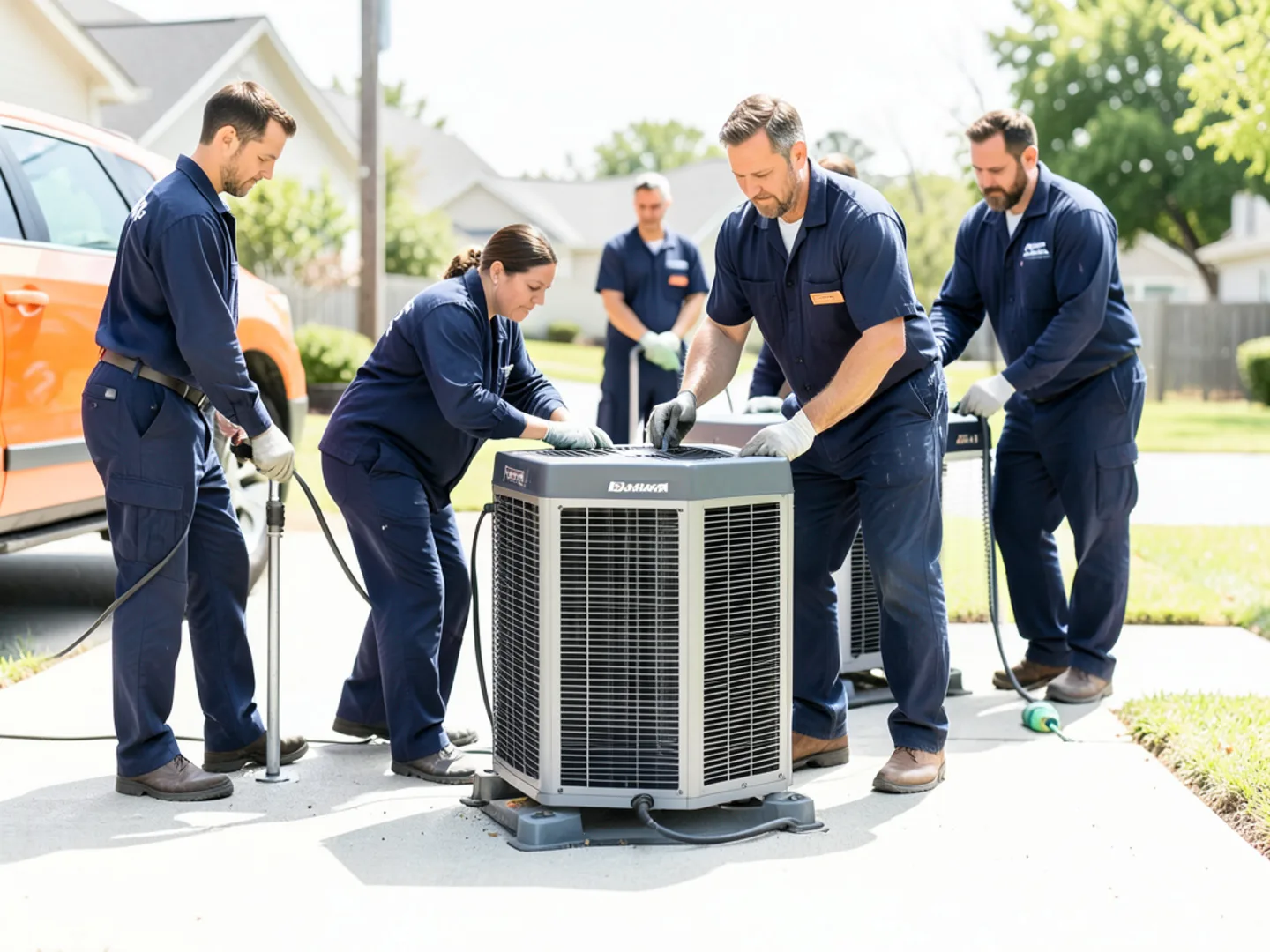
Three physical factors determine the total line items on an estimate: 1. Total affected square footage and ceiling height. 2. The amount of controlled demolition required (removing saturated drywall, baseboards, or insulation to ventilate cavities). 3. Equipment run-time: standard structural drying in Central Arkansas requires commercial LGR dehumidifiers and air movers to operate continuously for 3 to 5 days, monitored daily by technicians with thermo-hygrometers and moisture meters.
Labor Rates and Regional Cost Dynamics in Central Arkansas
One reason water restoration in Little Rock is more affordable than in coastal metros is regional labor economics. Researched construction labor models show blended restoration technician labor in Central Arkansas averages approximately $20.16 per hour, compared to $27.97 nationally. This favorable labor differential helps keep mitigation costs competitive when extensive equipment monitoring and tearout are required.
How Immediate Extraction Reduces Total Restoration Costs by 40% to 60%
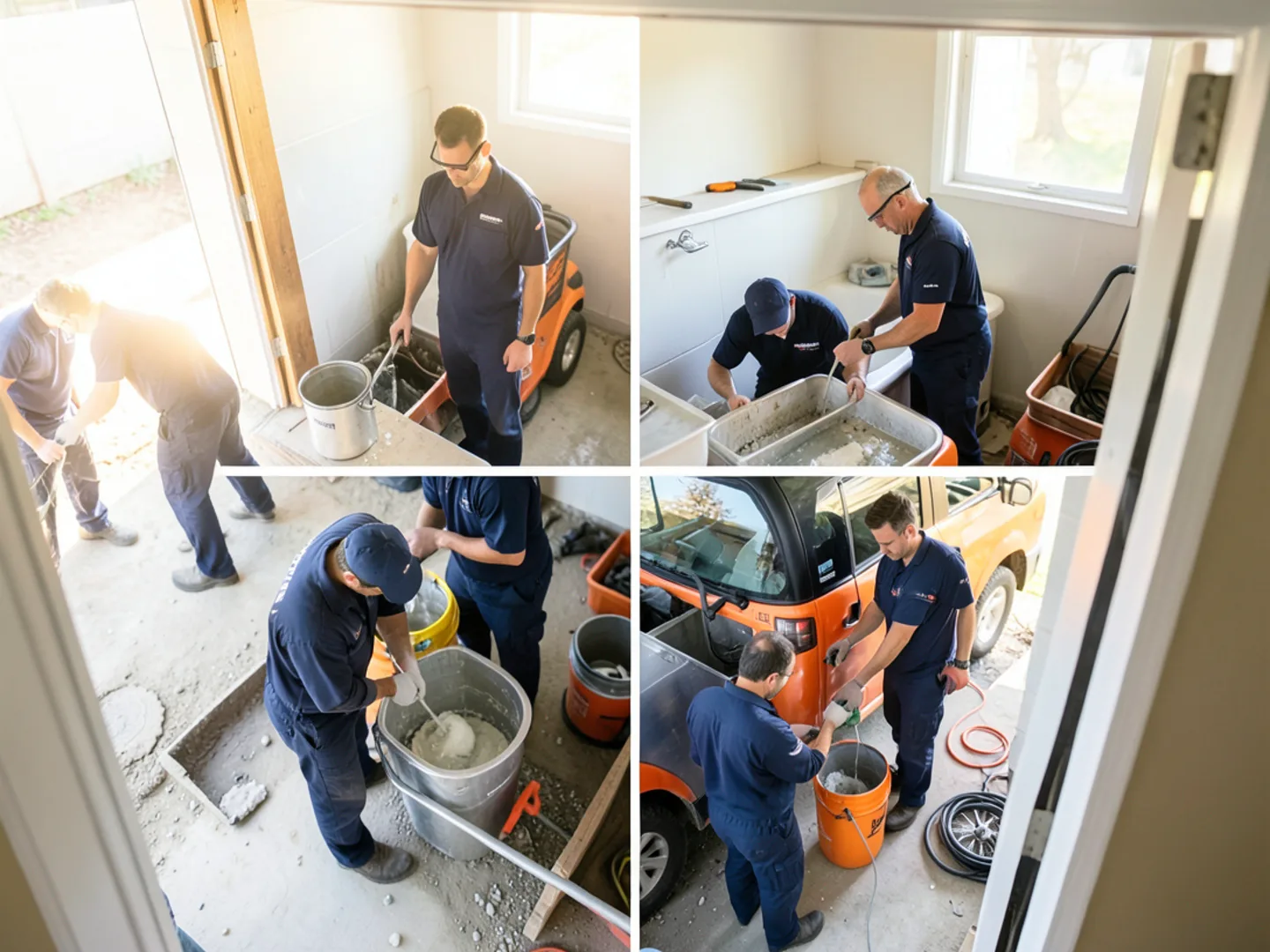
The single most effective way to control water restoration expenses is speed. During the first 24 hours of a water event, drywall, structural lumber, and engineered subfloors absorb water through capillary action. If extraction equipment is deployed within hours, water is removed before it penetrates deep cell structures, allowing wood framing and sheetrock to be dried in place using high-velocity air movers and commercial dehumidifiers. Waiting 48 hours or longer causes drywall gypsum to dissolve, subfloors to delaminate, and fungal mold spores to germinate. This escalates the project from straightforward non-destructive drying into expensive biohazard demolition, mandatory containment barriers, and full drywall reconstruction, doubling or tripling total invoice costs.
The Difference Between Emergency Mitigation and Rebuild Estimates
A frequent source of confusion for Little Rock property owners is receiving two separate estimates for the same water incident: the emergency mitigation invoice and the post-drying reconstruction quote. Mitigation covers the emergency phase: truck-mounted water extraction, demolition of wet carpet and drywall, antimicrobial biocidal application, and continuous operation of industrial dehumidifiers and air movers. This phase stops active damage and typically costs $1,500 to $6,000 depending on water category. The rebuild phase—which cannot begin until structural lumber is certified dry below 16% wood moisture content—covers installing new insulation, hanging and finishing drywall, painting, and installing new flooring. Rebuilding is estimated under separate trade line items and submitted to the adjuster as a secondary repair package.
Attributed Water Restoration Cost Breakdown in Central Arkansas
| Service Component | Typical Little Rock Range | What Is Included | Key Cost Drivers |
|---|---|---|---|
| Emergency Water Extraction | $450 – $1,800 | Vacuum extraction wands, pump-out, pad clearing | Water depth, square footage, stairs/crawlspace |
| Structural Drying & Dehumidification | $1,200 – $4,500 | LGR dehumidifiers, air movers, daily moisture logs | Number of equipment units, days running (3–5 days) |
| Burst / Frozen Pipe Cleanup | $1,000 – $4,000 | Water extraction, drywall relief cuts, cavity drying | Multi-level water cascade, attic involvement |
| Crawlspace Water & Mold Mitigation | $2,500 – $6,500 | Pumping water, joist drying, vapor barrier install | Crawl clearance, soil moisture, mold severity |
| Category 3 Sewage Decontamination | $3,000 – $12,000 | Biohazard PPE, porous material disposal, sanitizing | Hazard level, crawlspace soil liming, disposal fees |
Professional Contractor Perspective
Homeowners should always insist on a line-item written estimate that clearly separates emergency mitigation from rebuilding. Mitigation stops active moisture damage and dries framing; repairs reconstruct drywall and flooring once the structure is certified dry. Comparing estimates line-by-line ensures that equipment counts, run-times, and material removal match standard IICRC psychrometric drying recommendations rather than inflated guesswork.
In accordance with our editorial standards, our informational guides and process breakdowns are grounded in verifiable documentation from state licensing boards, municipal utility codes, and official meteorological data:
- 1.ANSI/IICRC S500 Standard and Reference Guide for Professional Water Damage Restoration. — ANSI/IICRC S500 Standard and Reference Guide for Professional Water Damage Restoration.
- 2.Regional insurance restoration Xactimate pricing models for Central Arkansas. — Regional insurance restoration Xactimate pricing models for Central Arkansas.
- 3.EPA Residential Moisture Control Guidelines. — EPA Residential Moisture Control Guidelines.