
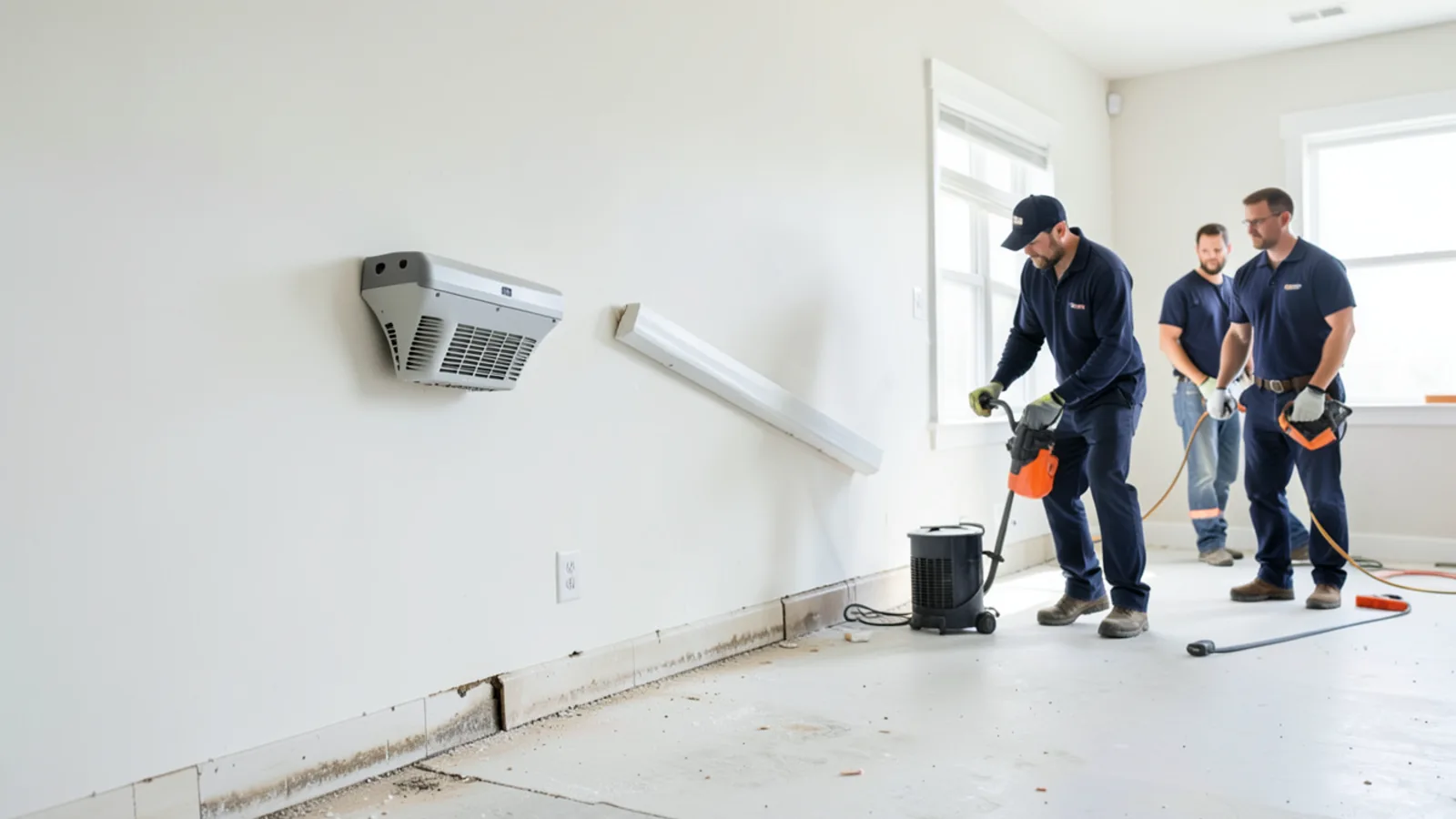
Water Damage Restoration in Little Rock, AR
Comprehensive mitigation protocols combining physical water evacuation, non-destructive psychrometric moisture mapping, structural cavity drying, antimicrobial sanitation, and insurance-ready Xactimate documentation.
How Water Damage Restoration Works in Central Arkansas
When sudden water intrusion strikes your Little Rock home or commercial building, visible pooling on hardwood, vinyl plank, or carpet is only the first layer of the loss. Liquid water rapidly migrates beneath baseboards, saturates wall cavity sill plates, and pools across subfloors and crawlspaces. We connect property owners across Pulaski County directly with independent local restoration contractors who deploy high-volume extraction units, industrial centrifugal air movers, and low-grain refrigerant (LGR) dehumidifiers to stabilize structures within the critical 24-to-48-hour EPA drying window. Whether dealing with Category 1 sanitary supply line ruptures, Category 2 gray water from overflowing appliances, or Category 3 black water intrusions, rapid extraction and scientific moisture mapping prevent secondary mold spore germination and structural degradation.
First 30 Minutes: Emergency Action Checklist
Immediate safety and source-control steps to take before restoration crews arrive on-site in Little Rock:
Isolate the Water Source Safely
Shut off the localized fixture shutoff valve or the main water supply valve near the street or meter. For roof breaches, place buckets under drips only if ceilings are stable. If water is entering near electrical panels or sewage is present, do not enter the area.
Eliminate Electrical & Slip Hazards
Never walk through standing water where outlets, extension cords, or submerged wiring are present. Disconnect circuit breakers for flooded zones from an elevated, dry location. Wet hardwood and saturated vinyl create severe slip risks.
Capture Pre-Mitigation Photo & Video Evidence
Take comprehensive wide-angle photos of all affected rooms before water recedes or materials are shifted. Capture close-up shots of waterlines along baseboards, saturated furnishings, wet drywall, and the originating failure point for insurance adjusters.
Call 24/7 Dispatch with Essential Triage Details
Contact our Central Arkansas dispatch desk at (702) 478-1007. Report the exact property location, whether active water flow has stopped, approximate depth, affected flooring types, and whether crawlspace joists or ceilings are involved.
Elevate Vulnerable Porous Contents
Place aluminum foil squares or plastic wood blocks beneath the feet of wooden furniture sitting on damp carpet to prevent wood stain bleeding. Move small electronics, area rugs, documents, and textiles into dry, unaffected rooms.
Enforce Biohazard & Contaminant Containment
Keep children, elderly occupants, and pets strictly away from standing water. If the intrusion involves toilet overflows, storm runoff, or sump failure, treat the water as contaminated Category 2 or 3 biohazardous liquid requiring professional containment.
What This Service Includes
Every job begins with non-invasive moisture mapping and follows standardized ANSI/IICRC protocols to ensure safe, verifiable structural recovery:
Emergency Source Assessment & Water Classification
Identifying the intrusion mechanism (plumbing break, roof breach, or groundwater) and classifying the water under ANSI/IICRC S500 standards (Category 1 clean water, Category 2 gray water, or Category 3 black water) to establish protective protocols.
High-Volume Water Extraction
Deploying truck-mounted and portable extraction wands, weighted extraction rovers, and submersible pumps to remove standing water from flooring, subflooring, and crawlspaces.
Infrared Thermal Imaging & Moisture Profiling
Utilizing FLIR thermal cameras and non-penetrating moisture meters to trace hidden moisture migration paths behind drywall, beneath cabinetry, and through crawlspace subfloors.
Controlled Structural Drying
Positioning commercial centrifugal air movers and low-grain refrigerant (LGR) dehumidifiers to establish optimal psychrometric evaporation conditions.
Antimicrobial Surface Treatment
Applying EPA-registered botanical antimicrobials to structural wood framing and concrete slabs to inhibit mold spore germination and bacterial proliferation.
Insurance-Ready Loss Documentation
Delivering comprehensive room-by-room photographic evidence, daily psychrometric drying logs, and itemized scopes formatted for insurance adjuster review.
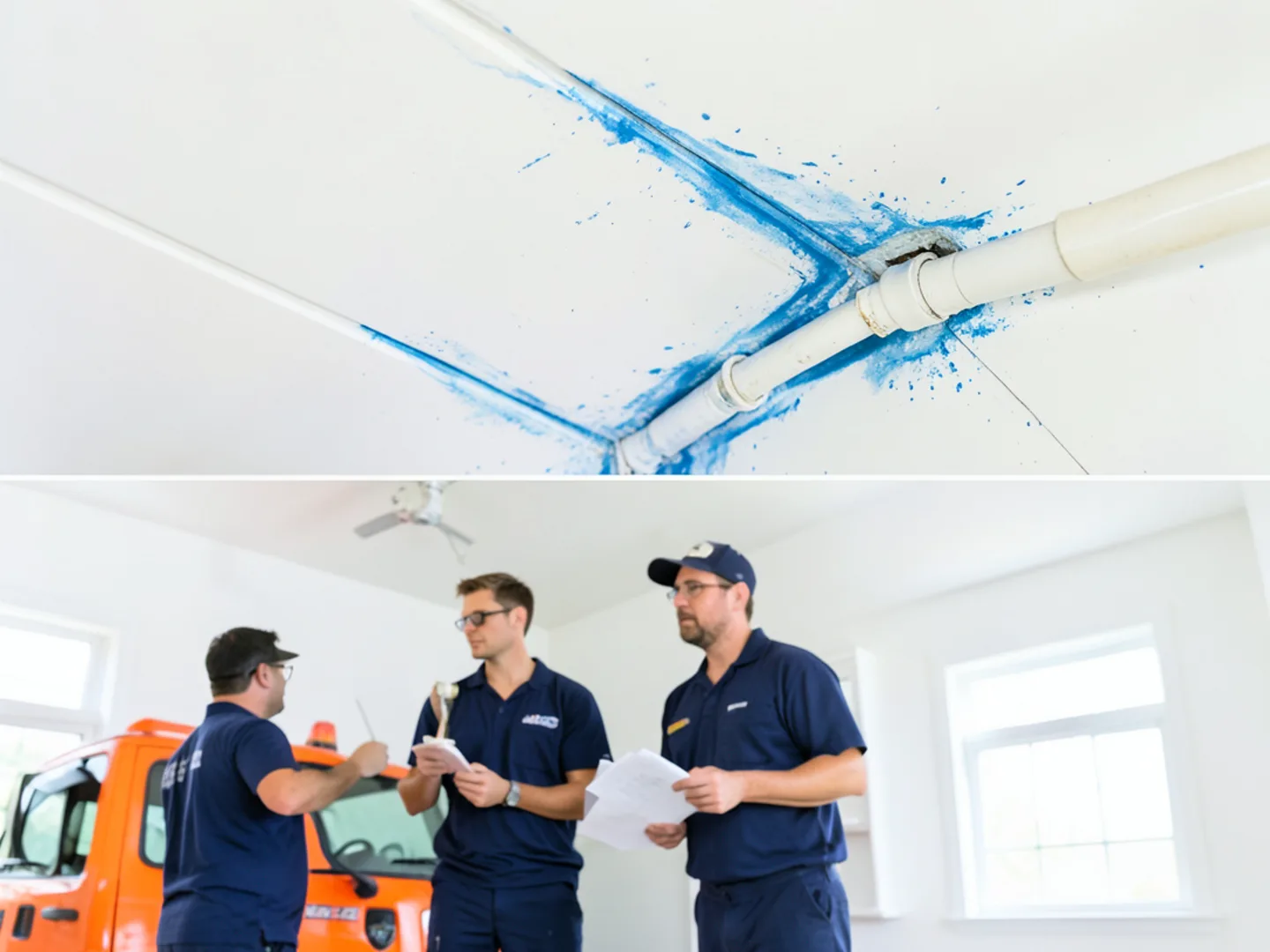
Facing Active Damage Right Now?
Call our dispatch desk immediately at (702) 478-1007. We will connect you directly with an independent local contractor ready for rapid response.
Common Little Rock Water Loss Causes, Indicators & Safe Responses
Compare specific loss mechanisms commonly encountered across Pulaski County homes and commercial properties:
| Intrusion Cause | Warning Signs & Physical Indicators | Immediate Safe Response | Professional Mitigation Protocol |
|---|---|---|---|
| Plumbing Supply Line or Pipe Rupture | Hissing behind drywall, sudden drop in water pressure, warm or cold pooling along baseboards, soggy carpet pads. | Immediately shut off the main water valve. Turn off electric water heater breaker if tank supply is compromised. | High-volume weighted extraction, thermal imaging to trace moisture tracking, cavity flood cuts, and LGR dehumidification. |
| Hard Winter Freeze Pipe Burst | Reduced flow from exterior hose bibbs or attic lines during freezes, followed by gushing water as temperatures thaw. | Shut main shutoff valve immediately; open cold faucets to relieve line pressure; contain dripping ceilings with containers. | Attic and crawlspace extraction, wet blown-in insulation removal, joist moisture profiling, and continuous structural drying. |
| Severe Convective Storm & Microburst | Water dripping from light fixtures or ceiling joints, stained drywall ceiling rings, damp attic insulation following heavy rains. | Catch drips with sturdy containers; puncture small sagging ceiling blister with a pencil to relieve weight safely; avoid electrical fixtures. | Attic roof tarping referral, saturated insulation vacuum extraction, ceiling cavity drying, and HEPA air scrubbing. |
| Pier-and-Beam Crawlspace Runoff Ingress | Musty odors in living rooms, cupping hardwood flooring, damp crawlspace soil, condensation on baseboards. | Inspect crawlspace hatch perimeter from access opening without entering muddy crawlspace; check sump pump power if equipped. | Submersible pumping, crawlspace standing water extraction, vapor barrier remediation, and negative-pressure joist drying. |
| Appliance Supply Line or Overflow Failure | Water spreading across kitchen tile or laundry room, leaking beneath refrigerators, dishwashers, or washing machine rubber hoses. | Turn off individual fixture shutoff valve behind appliance; unplug appliance if cord is on dry ground; do not touch wet cords. | Toe-kick removal under cabinetry, injection drying mats for saturated subflooring, and antimicrobial surface treatment. |
| Sewage Main Backup or Drain Overflow | Gurgling floor drains, foul odors, dark brackish water rising in ground-level showers, toilets, or basement floor drains. | Evacuate area immediately; do not flush toilets or run sinks; keep family and pets clear; avoid all direct skin contact. | Category 3 black water containment, full PPE extraction, disposal of porous contaminated pads, biocidal wash, and air scrubbing. |
Step-by-Step On-Site Restoration Workflow
Understanding each step of the mitigation process helps property owners navigate insurance claims and track progress from initial contact to the final dry standard.
Immediate Call & Dispatch Triage
Call (702) 478-1007 to report the loss. Our dispatch line collects critical safety details—identifying active water flow, electrical hazards, structural stability, and contamination risks—and routes your request to an independent local crew.
On-Site Inspection & Moisture Mapping
The responding restoration contractor performs a comprehensive room-by-room assessment using thermal imaging and moisture meters. They inspect visible living areas as well as crawlspace joists, wall cavities, and subfloors.
Bulk Water Extraction & Containment
Technicians extract standing water using high-powered suction wands and weighted extractors. Saturated porous materials that cannot be sanitized are carefully removed to open drying pathways.
Industrial Dehumidification & Daily Monitoring
LGR dehumidifiers and high-velocity air movers are configured according to cubic footage and psychrometric calculations. Technicians take daily moisture readings to track drying progress against established dry standards.
Final Dry Verification & Scope Hand-Off
Once moisture meters verify that structural framing has returned to baseline equilibrium (typically below 16% wood moisture equivalent), the contractor provides a completed drying certificate and repair scope.
Central Arkansas Soil & Architectural Realities
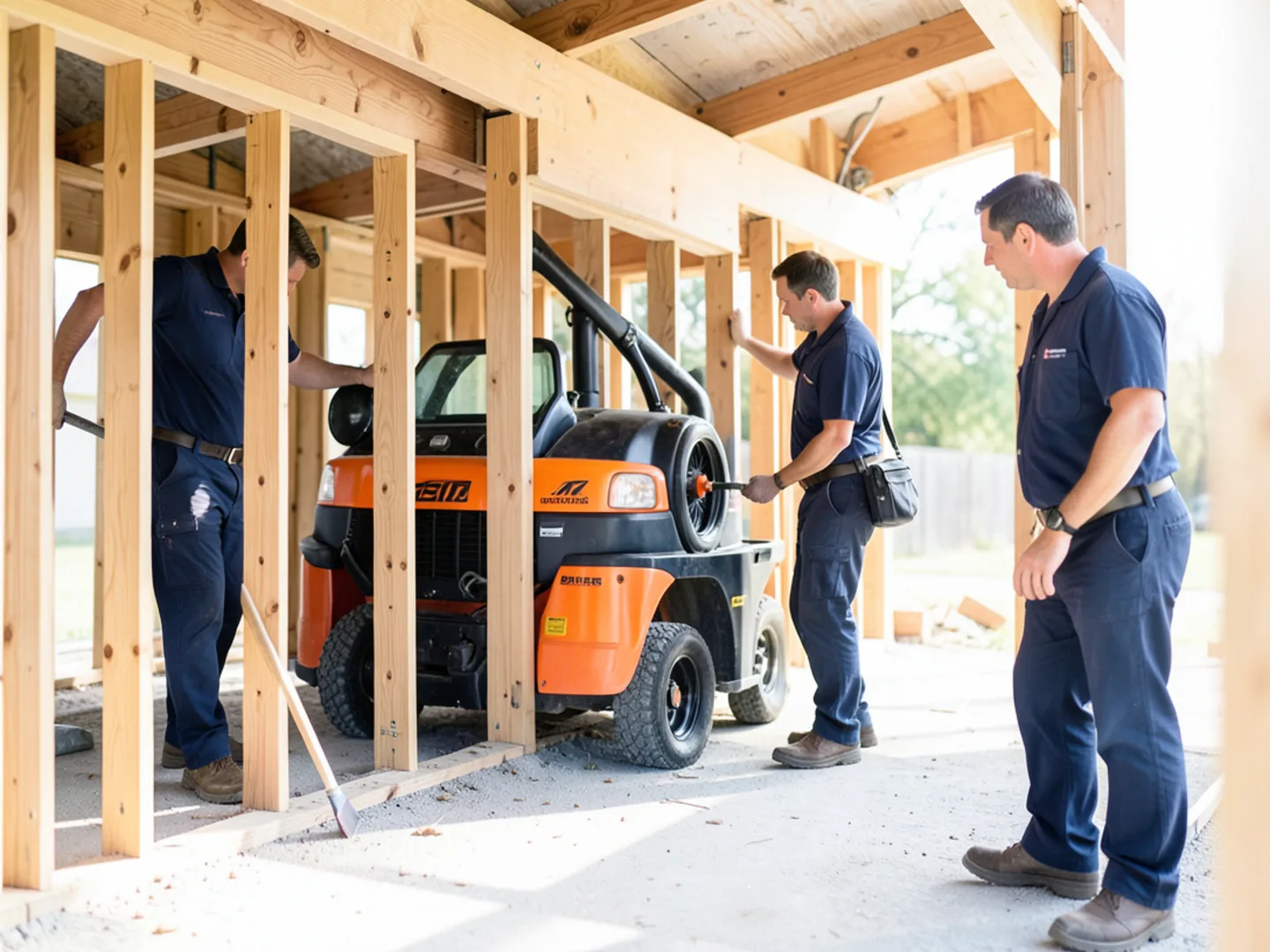
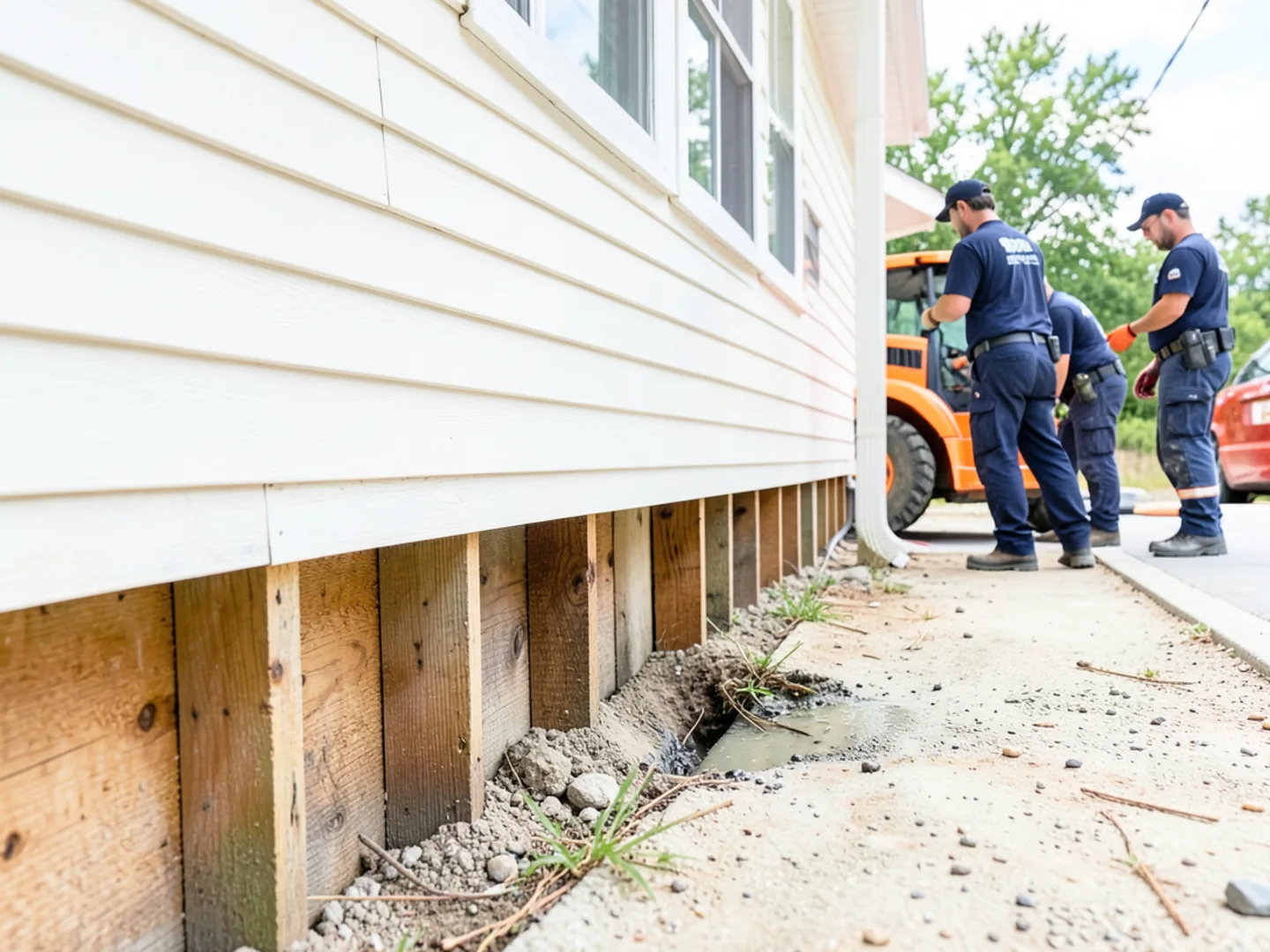
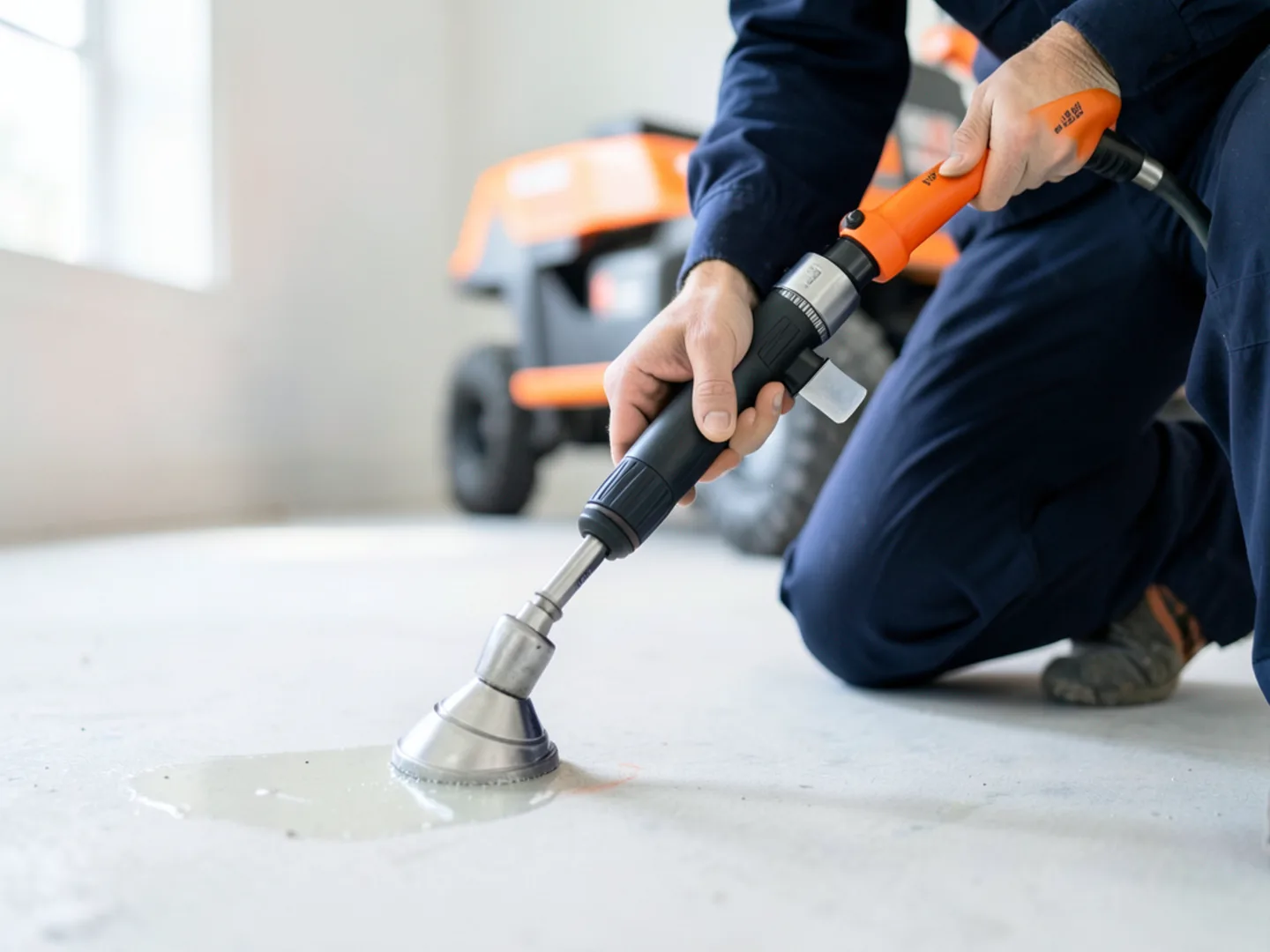
Little Rock’s distinct geological and architectural makeup directly shapes water restoration protocols across the Arkansas River valley. In historic Midtown, The Heights, and Hillcrest, 1910s–1940s Craftsman bungalows rest on pier-and-beam crawlspaces over dense red clay soil. Arkansas clay expands when wet and sheds surface runoff toward foundation walls rather than absorbing it, trapping standing water beneath living spaces while interior floors appear dry. Central Arkansas experiences intense seasonal weather—including 137 thunderstorm events recorded in Pulaski County hazard plans—alongside spring convective microbursts and tornado threats tracking from Pinnacle Mountain past Big Dam Bridge toward North Little Rock and Sherwood. In newer West Little Rock and Chenal subdivisions, slab-on-grade construction with multi-level attic plumbing creates severe vertical cascading losses. Regional dispatch also extends across Pulaski County into adjacent Saline and Lonoke counties, including residential areas near Little Rock Air Force Base, where elevated humidity and high seasonal water tables require prolonged structural dehumidification.
Insurance Claim Protocols: Mitigation vs. Rebuilding in Arkansas
Understanding the clear distinction between emergency water mitigation and structural reconstruction ensures your claim is handled cleanly:
Emergency Mitigation Phase (Immediate Duty to Protect)
Under standard homeowners insurance policies (HO-3), policyholders have a contractual duty to mitigate losses and prevent secondary damage. Mitigation encompasses source isolation, physical water extraction, controlled removal of unsalvageable saturated drywall or carpet pad, antimicrobial application, and industrial structural drying. This work begins immediately without waiting for an adjuster’s on-site visit.
Detailed Adjuster Scoping & Rebuilding Agreement
Reconstruction begins only after psychrometric moisture logs verify that structural framing has returned to dry standard equilibrium (below 16% wood moisture equivalent). Rebuilding includes hanging new drywall, mudding, painting, reinstalling baseboards, and laying replacement flooring. For structural rebuild contracts exceeding $2,000, Arkansas law requires verifying that the contractor holds an active license with the Arkansas Contractors Licensing Board (ACLB).
8-Point Insurance Documentation Evidence Checklist
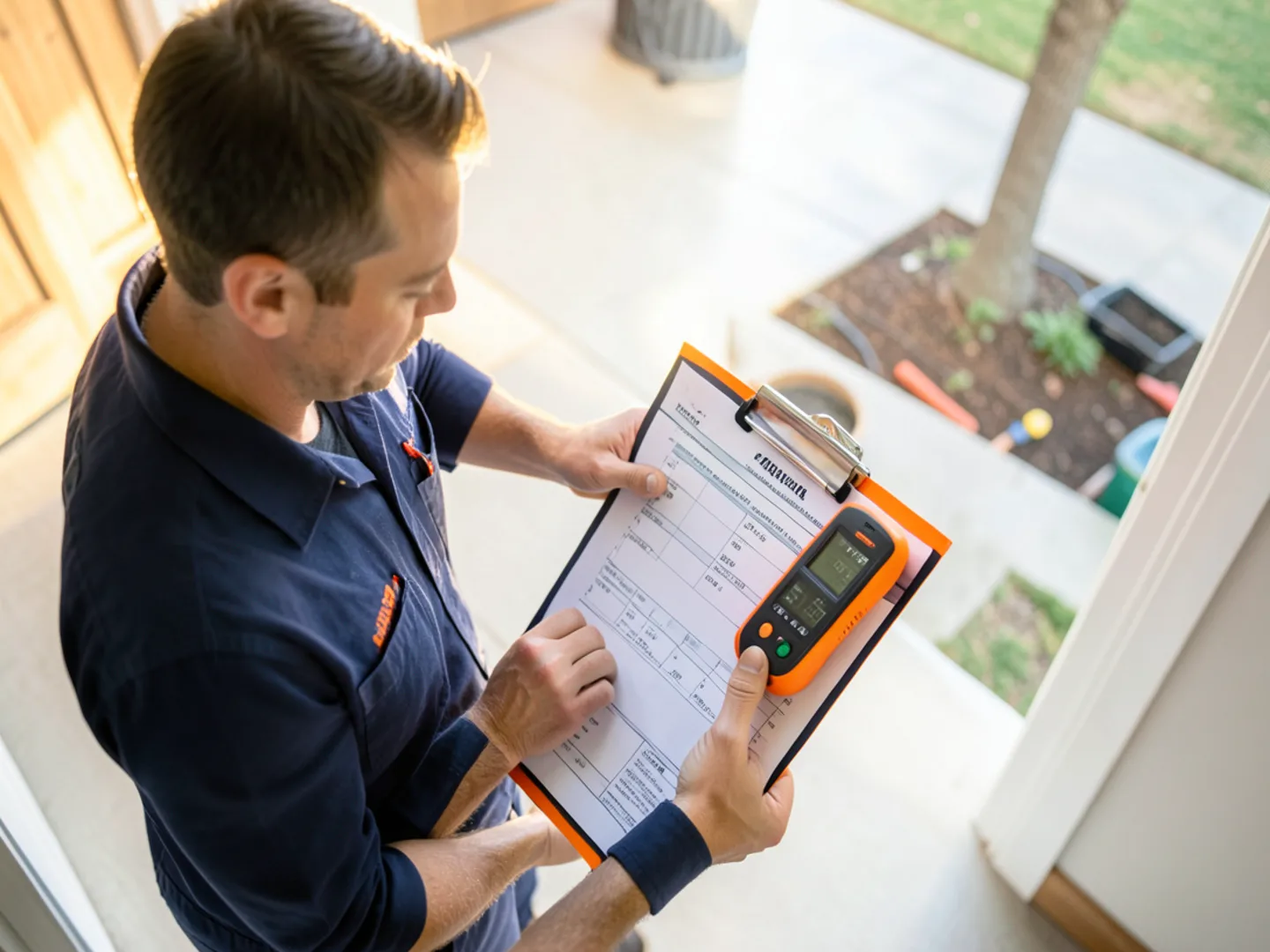
Restoration contractors compile itemized documentation packages to support prompt adjuster review and claim approval:
Date & Time-Stamped Pre-Mitigation Photos
High-resolution images showing standing water depth, saturation lines on drywall, and damaged building components before extraction begins.
ANSI/IICRC S500 Water Category Classification
Formal technical determination classifying the water source as Category 1 (clean), Category 2 (gray), or Category 3 (black water).
Infrared Thermal Moisture Maps
FLIR radiometric images documenting hidden moisture tracking behind baseboards, under cabinets, and within wall cavities.
Daily Psychrometric Moisture Logs
Daily records tracking ambient temperature, relative humidity (RH), grains per pound (GPP), and wood moisture equivalent (WME) readings.
Equipment Deployment Manifest
Itemized inventory listing commercial air movers, LGR dehumidifiers, and HEPA air scrubbers deployed, with operational runtime hours.
Unsalvageable Material Removal Inventory
Documented lineal footage of drywall flood cuts and square yardage of discarded contaminated carpet padding.
EPA-Registered Antimicrobial Application Record
Documentation of botanical disinfectant treatments applied to framing to inhibit mold and bacterial proliferation.
Final Structural Dry Standard Certificate
Signed technical confirmation proving that structural framing has reached moisture equilibrium below established dry benchmarks.
Factors That Influence Your Restoration Estimate
Water damage restoration costs are determined by the water contamination category, affected square footage, accessibility of crawlspaces or ceiling cavities, and the number of drying days required. In Central Arkansas, blended restoration labor averages $20.16 per hour, keeping baseline rates competitive compared to national averages.
| Restoration Scope Component | Attributed Industry Range | Technical Note |
|---|---|---|
| Emergency Water Extraction | $450 – $1,800 | Covers physical vacuum pumping of standing water from living areas or crawlspaces. |
| Structural Dehumidification & Drying | $1,200 – $4,500 | Includes commercial air movers, LGR dehumidifiers, and daily moisture meter logging (typically 3–5 days). |
| Minor Clean Water Loss (Single Room) | $1,500 – $3,500 | Category 1 supply line break contained before drywall saturation. |
| Moderate Multi-Room Water Damage | $4,000 – $9,000 | Involves subfloor extraction, drywall flood cuts, and multi-equipment staging. |
| Major Structural or Contaminated Loss | $9,000 – $20,000+ | Large-scale multi-level intrusion or Category 3 black water requiring extensive containment. |
In Arkansas, emergency mitigation (water extraction and structural drying) can proceed immediately to prevent secondary damage. However, for follow-up structural repairs, drywall rebuilding, or general remodeling contracts exceeding $2,000, state law requires a licensed residential or commercial contractor. Property owners should always verify a contractor’s active standing through the Arkansas Contractors Licensing Board (ACLB) public online registry before signing reconstruction agreements.
Where This Service Is Dispatched in Central Arkansas
Our 24/7 telephone desk connects property owners with independent restoration contractors operating throughout Pulaski, Saline, and Faulkner counties:
Related Restoration Services
Educational Guides & Articles
Water Damage Restoration Frequently Asked Questions
Direct, honest answers regarding water damage restoration timelines, insurance coverage, and procedures in Central Arkansas.
Drying should begin immediately within the first few hours of water intrusion. The US Environmental Protection Agency (EPA) recommends drying water-damaged building materials within 24 to 48 hours to prevent mold spore germination and bacterial growth. In Central Arkansas’s humid climate, delaying extraction allows clean Category 1 water to degrade into contaminated Category 2 gray water rapidly, increasing structural damage to drywall and subflooring.
Connect with a Water Damage Restoration Specialist Today
Call 24/7 for rapid dispatch across Little Rock, North Little Rock, Sherwood, Maumelle, Bryant, Benton, Conway, and Jacksonville.